
- Buy Crypto
- Markets
- Futures
- Spot
- Copy Trade
 WE-Launch
Funding, Users, Retention: A Growth Guide for 2026 Crypto Projects

Original Article Title: Crypto Marketing Trends & Predictions: 2026 and Beyond
Original Article Author: @emilyxlai
Translation: Peggy, BlockBeats
Editor's Note: Marketing in the crypto industry is undergoing a profound transformation: trends have shorter lifecycles, competition is intensifying, and traditional strategies are becoming less effective. For entrepreneurs, growth leaders, and marketing teams, understanding these changes is not only a matter of survival but also a key advantage.
This article, based on a presentation by Emily Lai, Chief Marketing Officer of Hype Partners, systematically outlines the 7 core trends in crypto marketing for 2026, covering recruitment, performance marketing, content creation, channel diversification, event experiences, incentive mechanisms, and AI-driven operations. It also shares industry predictions and a set of forward-thinking frameworks.
The industry is rapidly evolving. How can you seize opportunities and avoid falling behind? This article provides you with the answers.
Below is the original article:
The crypto industry is constantly changing, with attention spans being extremely short, trends emerging and disappearing rapidly, and lifecycles becoming increasingly condensed.
During the g(t)m con1 conference held last Sunday, November 16, I shared my observations and experiences from the past year and made forward-looking judgments for 2026.
The core of this presentation was to share our team's perspective on the future of the industry with entrepreneurs, growth leaders, and marketing experts, discuss what this means for your marketing strategy, and how to stay ahead in the competition.

Ten Months, Enough to Change Many Things
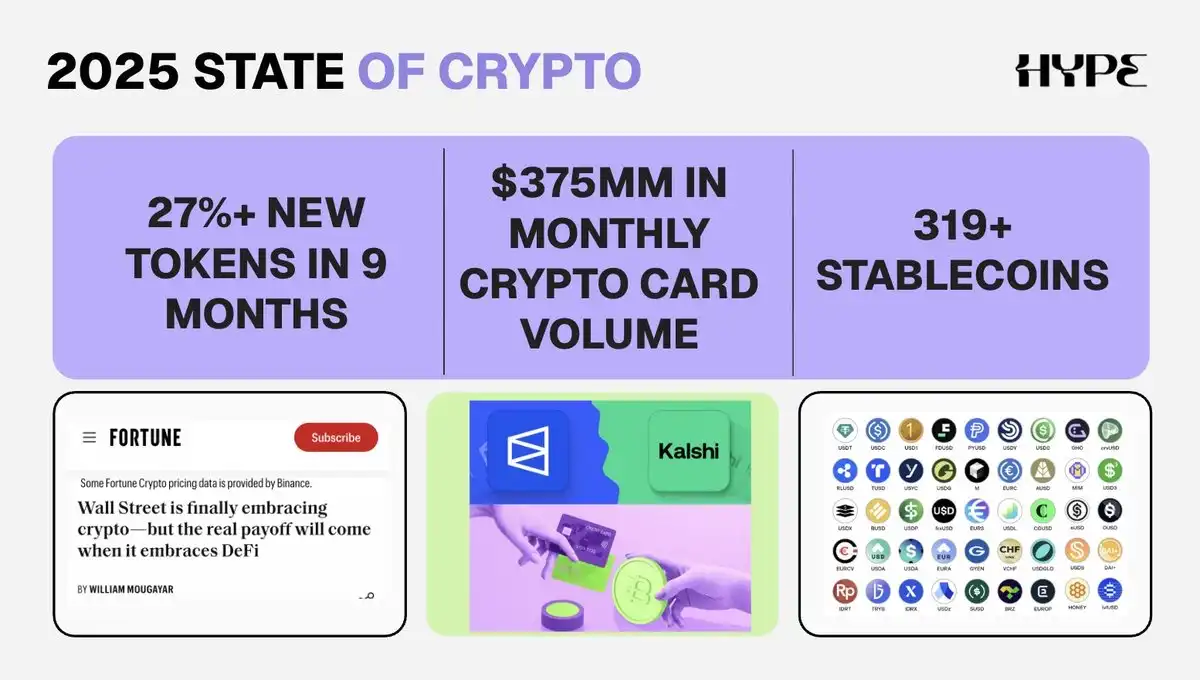
Since my keynote at EthDenver in February 2025, we have witnessed: over 319 new stablecoin launches; institutional and Wall Street entry, including corporate blockchain, DAT, ETFs, and fintech giants adopting stablecoins; a relaxed regulatory environment, with the introduction of the GENIUS Act and the U.S. welcoming a "crypto-friendly" president; a 27% growth in new token issuance, reaching 5.67 billion tokens as of the time of writing; a surge in crypto payment card options, with card transaction volumes on traceable blockchains reaching $375 million in October 2025 alone; prediction markets booming, with @Kalshi and @Polymarket setting new trading volume records and new players entering the space; and the launch of new crypto-native banks and mobile-first financial applications
Crypto in 2024 vs. Today
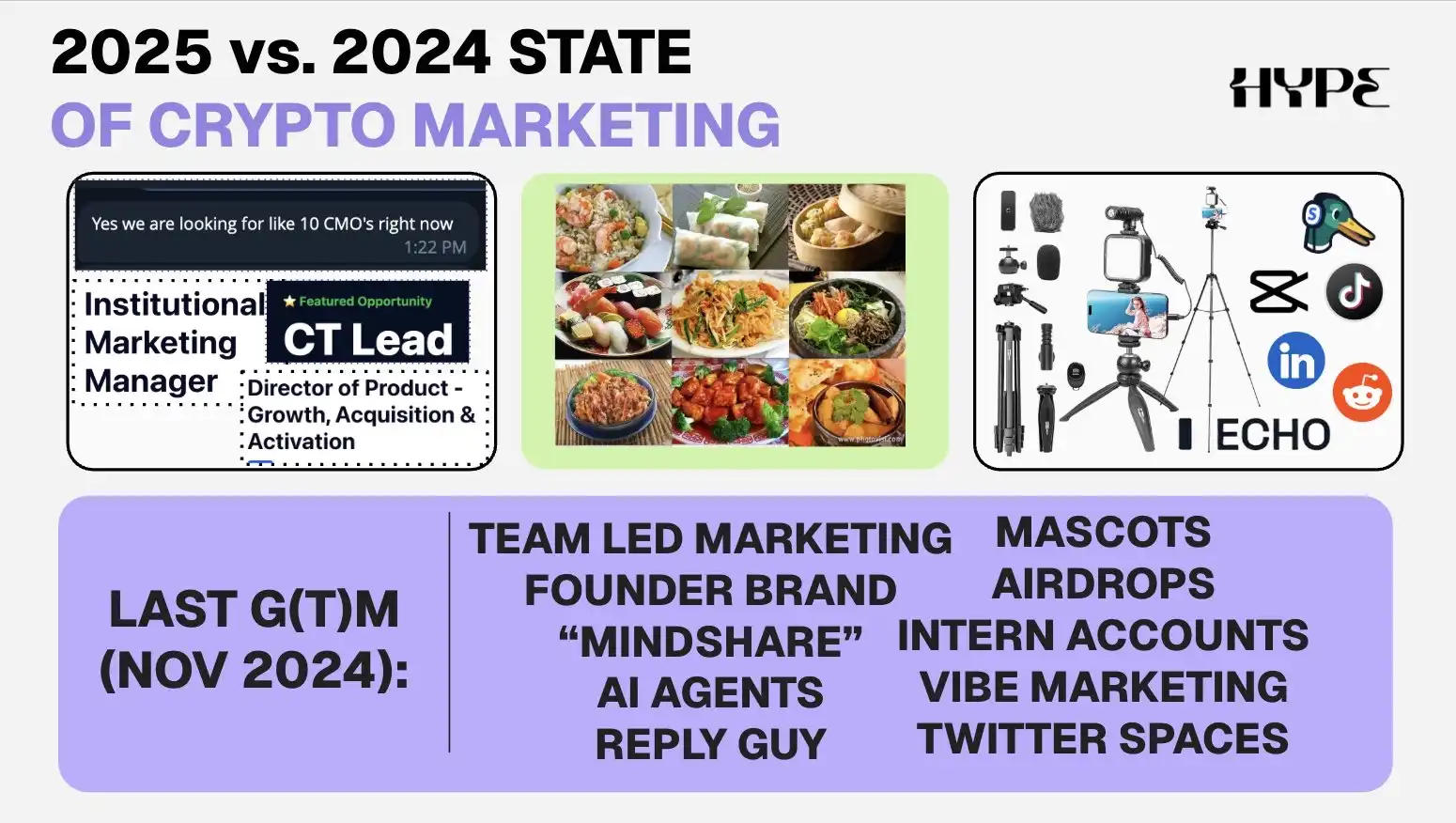
Last November, the first-ever g(t)m con was held in Bangkok. The key trends at the time included: team-led marketing, founder personal branding, AI agents, interactive "reply guys," brand mascots, airdrops, intern accounts, and the mysterious concept of "Mindshare" (brand awareness) put forward by the InfoFi platform.
A year has passed, and the industry landscape has clearly shifted: from a focus on liquidity in the Asia-Pacific region, to the resurgence of ICOs, and now to the rise of "CT Leads," the pace of change in the crypto industry is truly astounding.
User Mindshare ≠ Growth
RIP Mindshare
Over the past year, several highly anticipated TGEs (Token Generation Events) have seen weak buying interest despite high visibility, with price performance far below the Twitter (CT) sentiment expectation. From a KPI perspective, the industry is refocusing on user acquisition (encompassing B2B and B2C) and retention.
On the narrative and industry meta-trend level, ecosystems and applications are beginning to strengthen the messaging around "revenue and repurchase" information. Internal discussions are also focusing on token strategy, tokenomics, and incentive design to mitigate selling pressure.
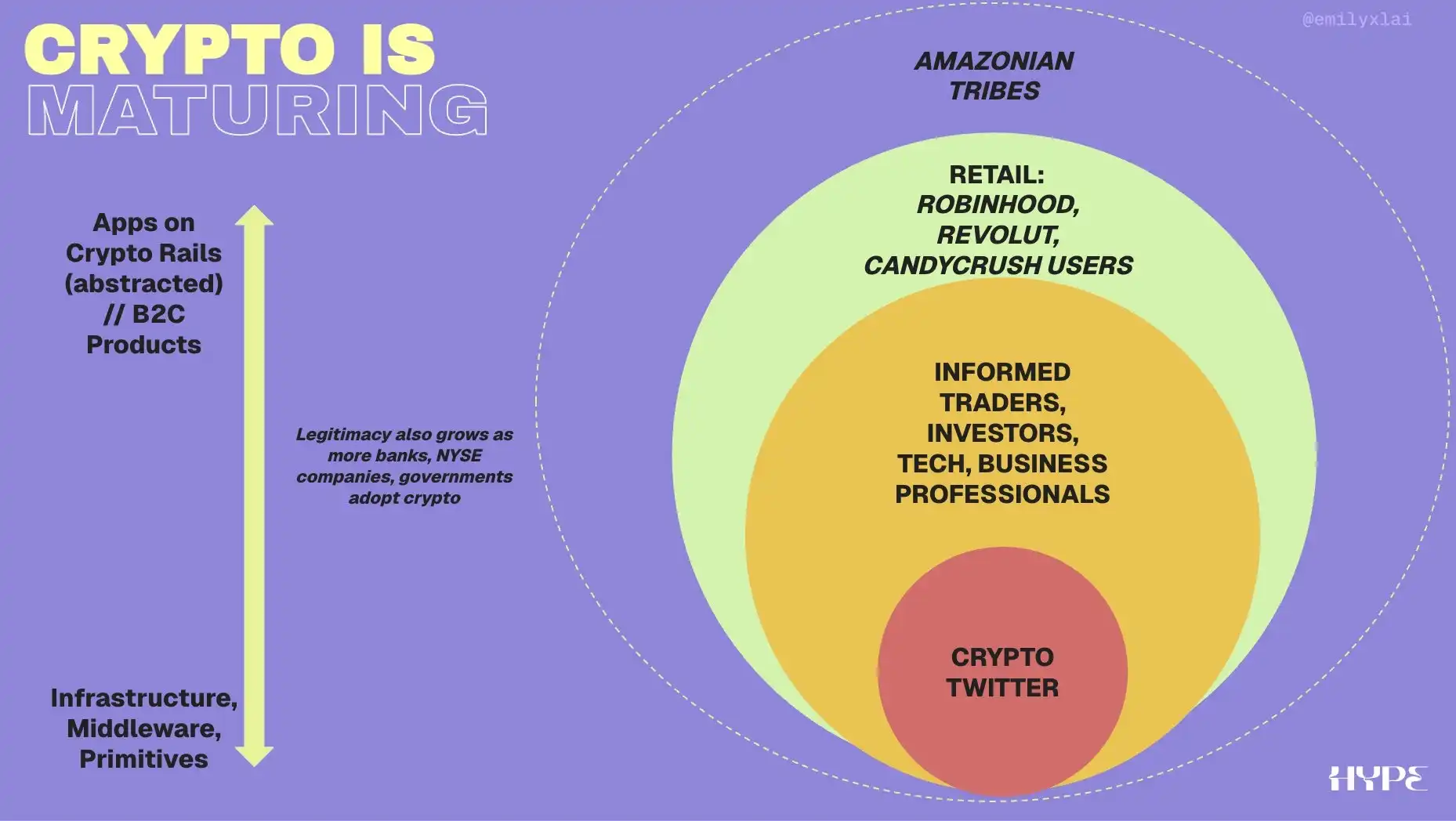
As infrastructure, foundational protocols, and middleware continue to mature, the industry's focus is shifting from chains and ecosystems to applications. With traditional financial institutions beginning to deploy capital and fintech applications with millions of users entering the blockchain space, this not only brings legitimacy to the entire industry but more importantly, allows us to reach new users beyond the CT community.
With improved user experience, the emergence of new applications, and trust being established, the addressable market size and audience for conversion continue to grow. This also means that Web2 user acquisition strategies, once seen as having a negative ROI/ROAS, are now becoming reasonable again.
Hot and Not: Trend Check
Here is a subjective and incomplete "Hot and Not" list. I first compiled my own views, then gathered input from a crypto VC friend, as well as opinions from the crypto marketing community and CT.
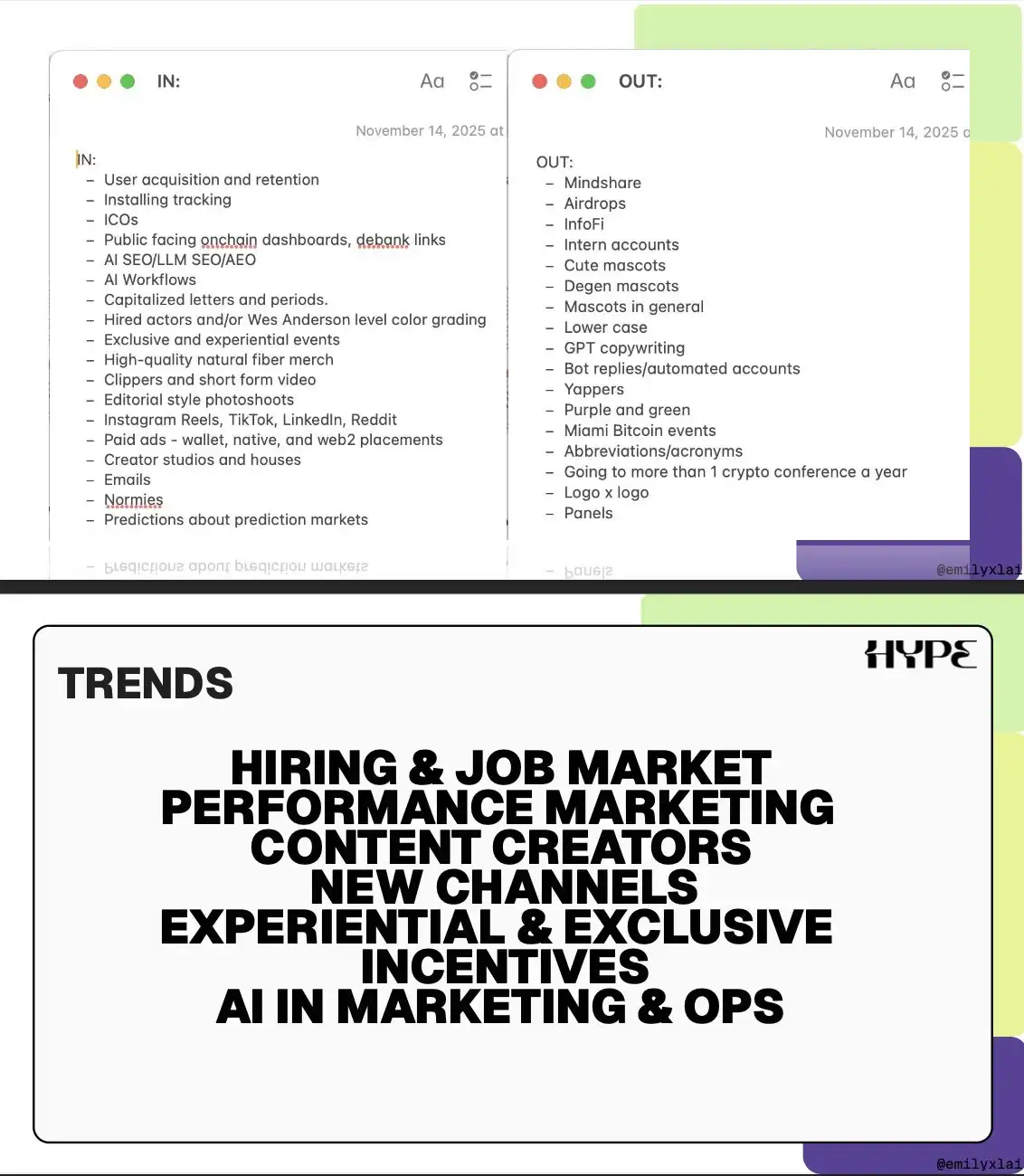
Subsequently, I broke down these trends and observations into 7 main themes, providing a high-level overview and synthesis, summarizing my learnings and observations for the year 2025.
Originally allocated only 25 minutes for my presentation, but thanks to @clairekart's understanding, I was able to share in a "stream of consciousness" style on stage for 45 minutes.
Hiring and Job Market Trends in Growth Positions
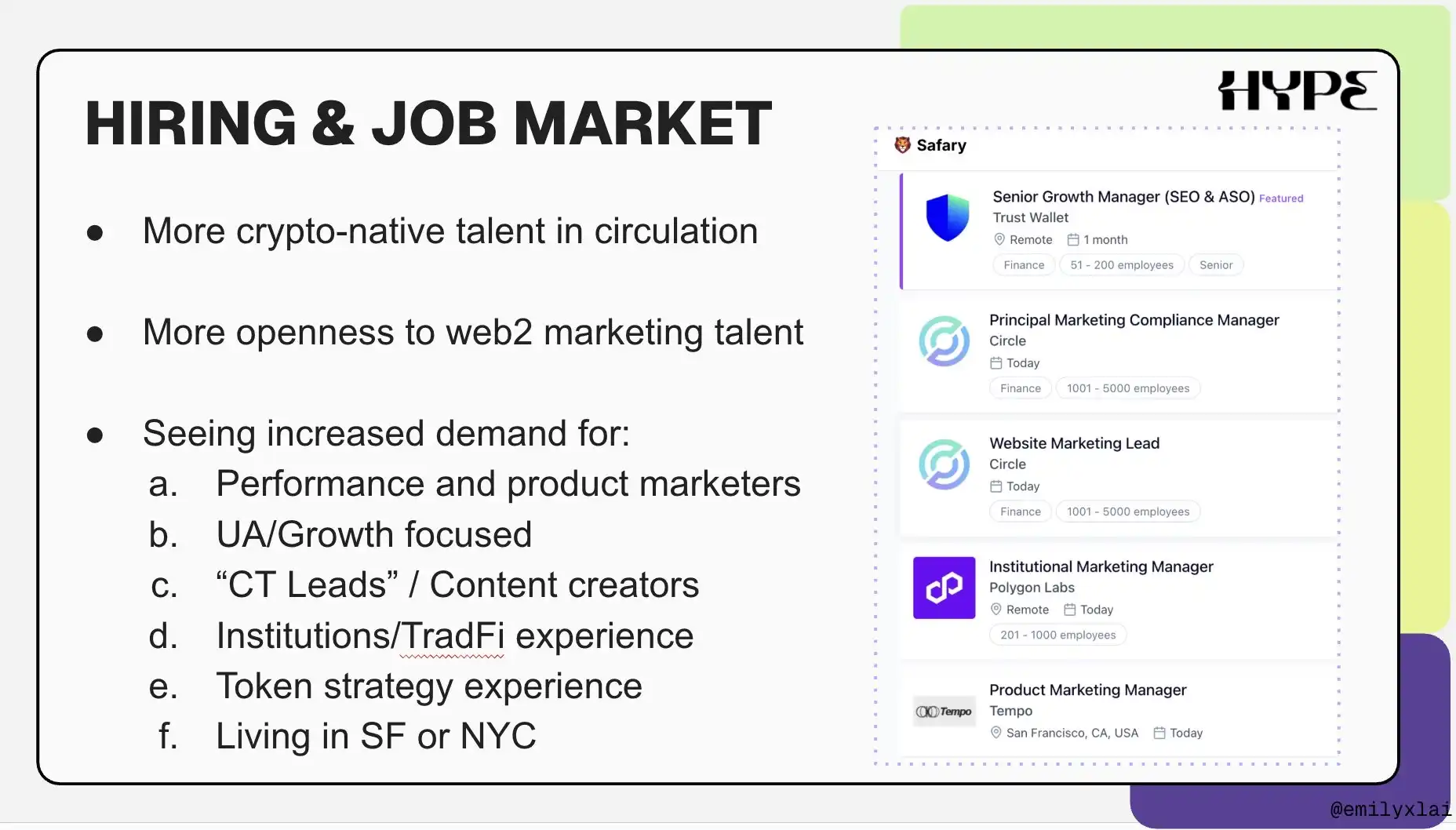
Take a look at @safaryclub's newly launched Marketing Careers section
As the industry matures, we see late-stage companies as well as Web2 enterprises, when recruiting crypto marketing talent, requesting increasingly specialized skills, rather than the traditional "all-around marketing lead." Many recruiters also mentioned a significant increase in demand for senior or executive-level marketing positions (such as CMO), reduced flexibility in remote work, and a higher acceptance of Web2 marketing talent.
For entry-level marketers without Web2 marketing experience, the barrier to entry is higher than ever, as there is a growing number of native crypto talent in the market (think of those failed or lost ecosystems over the past four years).
Performance Marketing
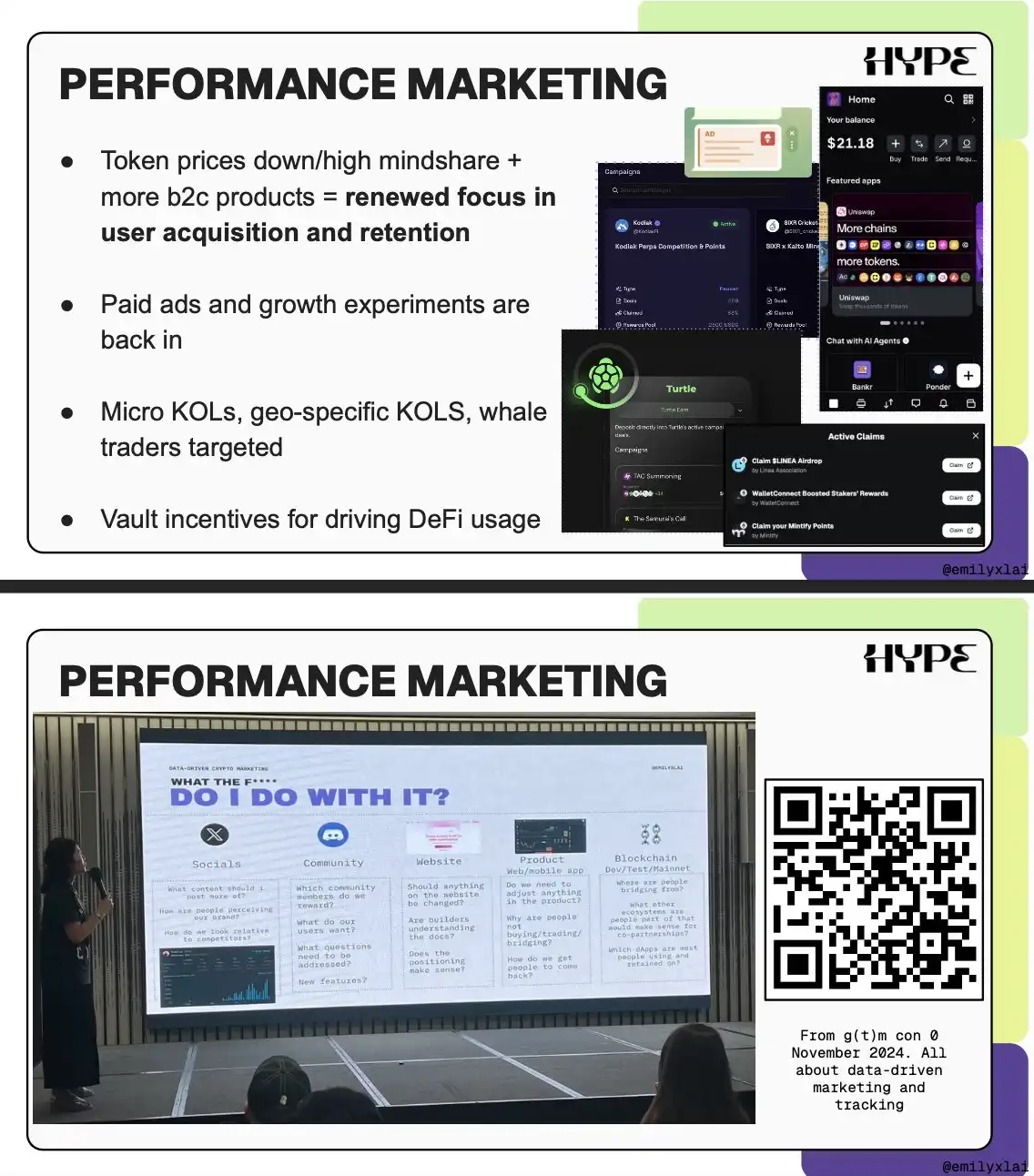
At last year's November g(t)m con in Bangkok, I shared about data-driven marketing, focusing on the funnel model and key metrics. What was important then feels even more relevant now.
Performance marketing is making a comeback, as the industry renews its focus on user acquisition and retention. This means: installation tracking tools (on-chain, product/web, distribution channels); growth experiments; combining paid and organic traffic; transitioning from social tasks to liquidity tasks; precise KOL marketing campaigns, etc.
We see more projects using or inquiring about tools such as:
@spindl_xyz, @gohypelab, @themiracle_io: Used for native wallet airdrop
@tunnl_io, @yapdotmarket: Precision bounty campaigns for micro KOLs
@turtledotxyz, @liquidity_land: Used for liquidity marketing campaigns
Furthermore, there are even more targeted strategies: I've been in touch with some perpetual contract DEXs who employ a "white-glove" user onboarding approach, reaching out even through direct messages to whale users or leveraging Asia-Pacific region transactional KOLs to gain initial liquidity (of course, along with incentives).
Simultaneously, Web2's paid advertising channels are back on the radar, including paid social, search ads, and out-of-home ads (OOH). One underrated channel that still exists is Telegram advertising. In the future, with the development of AI ecosystems like LLM and OpenAI building ad product suites, we will see new advertising deployment scenarios.
Content, Content, Content
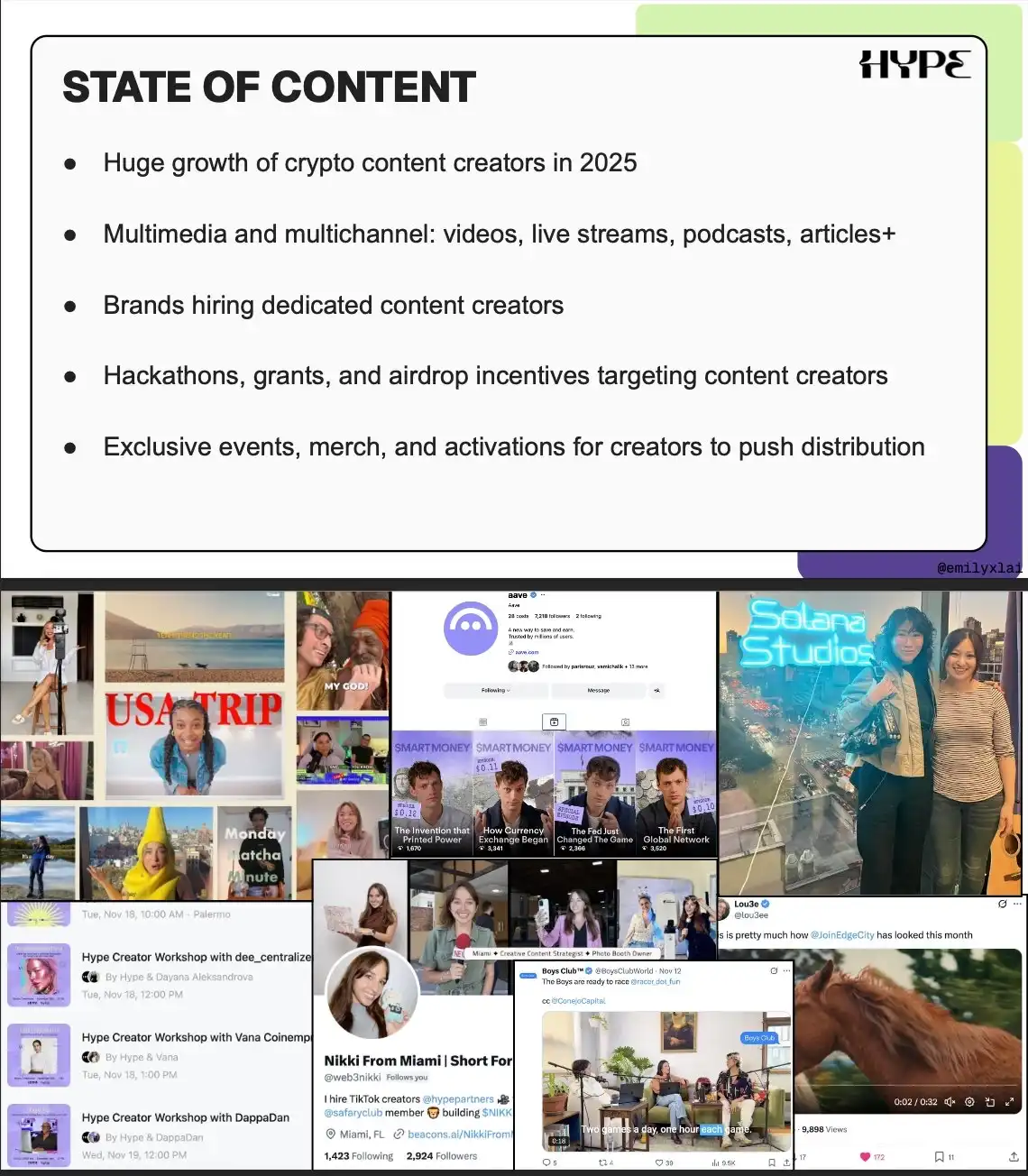
This year, we've seen explosive growth in content creators and videos on social platforms, with timelines inundated with various types of content: from vloggers, short video creators, to technical explanation videos, live streams, and even movie-quality narratives...
Meanwhile, the InfoFi platform has driven the rise of the "brand ambassador" role, where individuals actively post ("yap") to promote projects in hopes of earning rewards. However, I believe this trend will not last, and I've already put "yappers" on the OUT list.
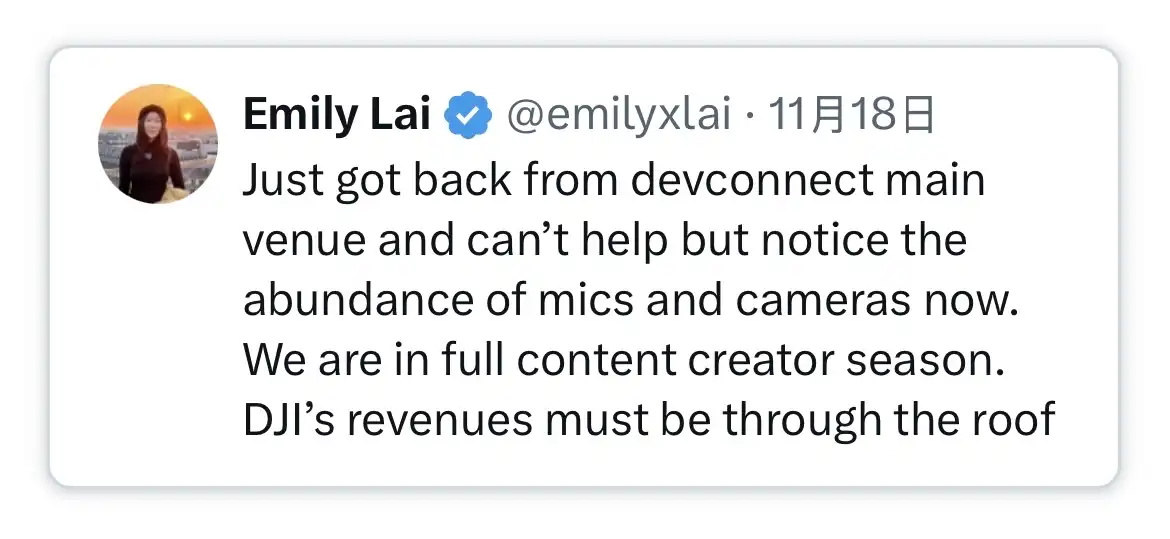
As I jokingly remarked last week when leaving the DevConnect venue: DJI's revenue must be soaring because there were microphones and cameras everywhere on-site. We are in the season of content creators.
Some creators are freelancers, creating content for brands they love, such as @coinempress and @DAppaDanDev. Brands are also starting to hire full-time content creators to produce videos, vlogs, host spaces, and even leverage the creator's personal brand (like CT Leads @alexonchain). @dee_centralized is one of the leaders in short-form video content in the crypto wave.
Six weeks ago, I visited the @solana office in New York City and toured Solana Studio—a content space designed for founders and creators, where individuals like @bangerz and @jakeclaychain produce content.
We also saw brands hiring actors, Hollywood-level studios, and photographers to create high-quality content and advertisements. @aave started focusing on content on Instagram (as a prelude to its retail mobile app, a clever strategy), while @ethereumfnd brought in storytelling creators like @lou3ee.
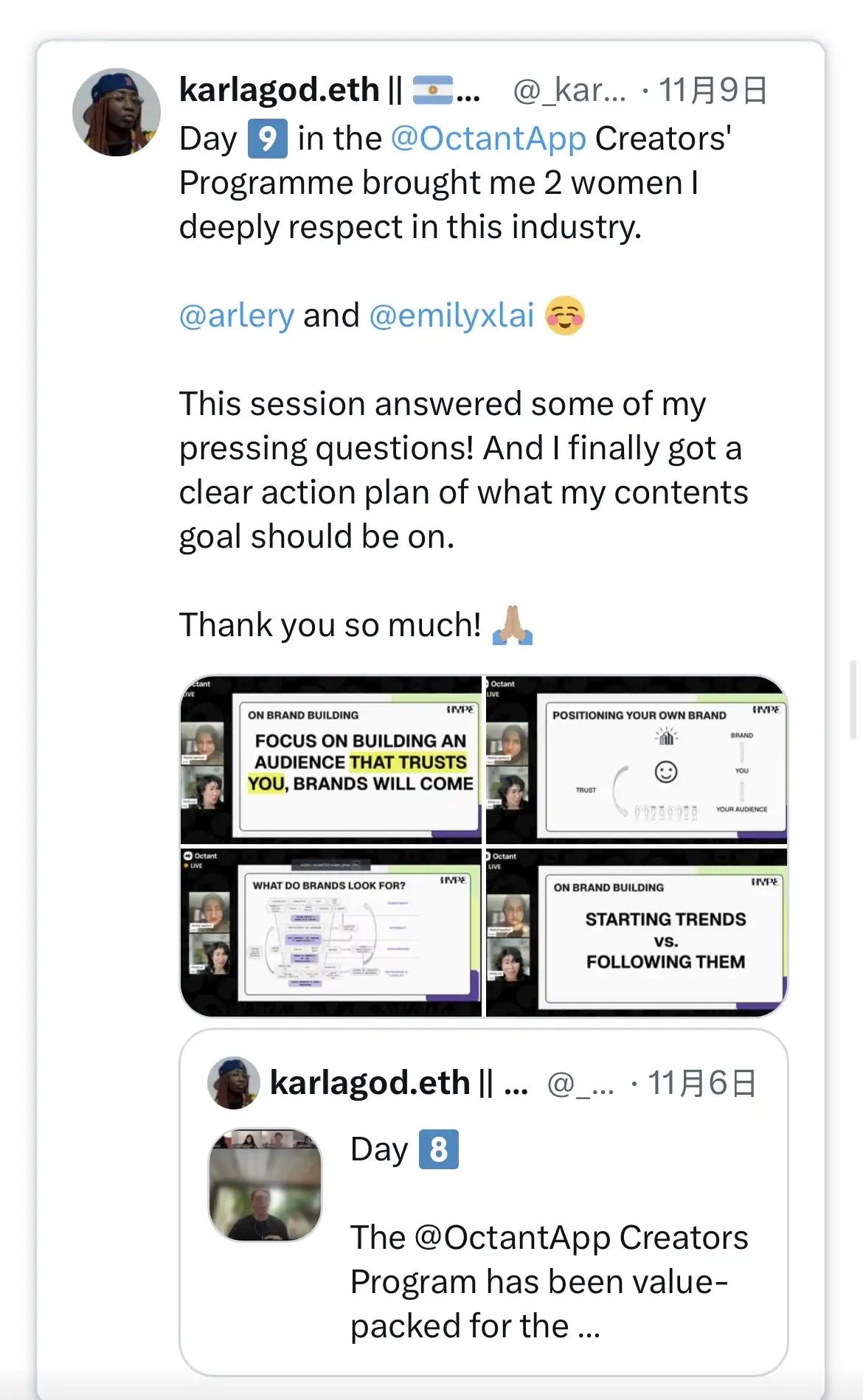
Content formats also vary: in addition to text and video, there are live series (like @boysclubworld), static series, podcasts, short video clips, 3D or AI announcement videos, and more. @OctantApp provides funding for creators, and I recently hosted a workshop explaining the psychological factors that brands value in content creation.
At Hype (@hypepartners), we hosted four content creator workshops during DevConnect Week and introduced @web3nikki in January to lead a new short video department. Content will continue to saturate, with quality, depth, and production level becoming increasingly important. Additionally, moving beyond the crypto community and reaching new users is equally crucial.
Beyond X World
This year at Hype, we have been exploring (and re-exploring) new channels, including YouTube, Reddit, AI SEO (such as Perplexity, GPT), Instagram, and Whop. In my presentation, I specifically focused on LinkedIn and TikTok.
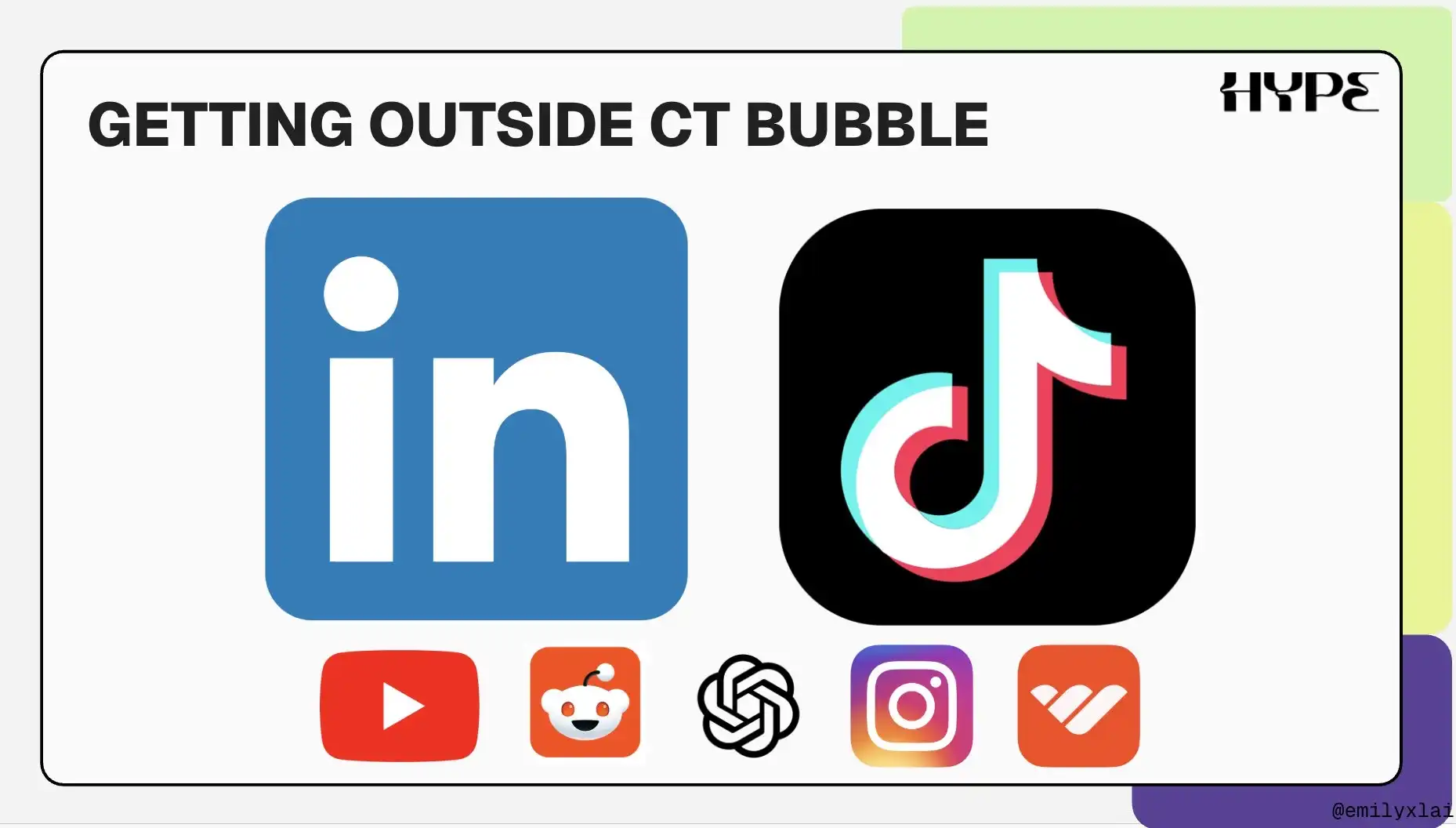
Take, for example, @Scroll_ZKP co-founder @sandypeng: For those not active on LinkedIn, she consistently posted in 2025, growing from zero to 6.3 million impressions and 31,000 followers, sharing her strategy and data (first public disclosure, thanks to Sandy).
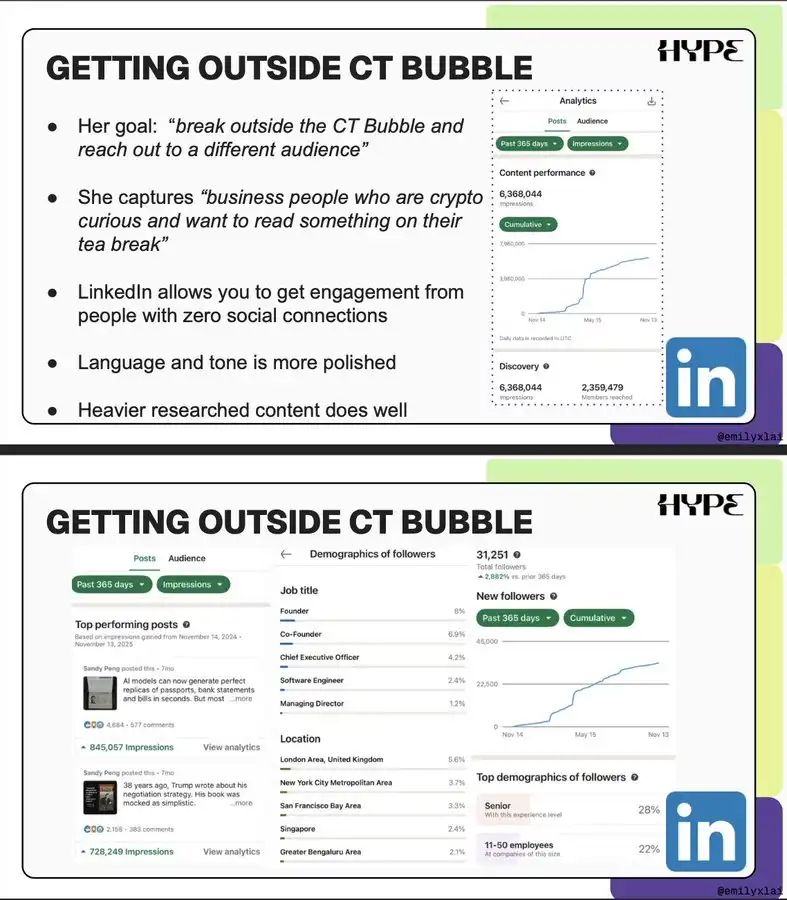
Sandy Peng (co-founder of Scroll)'s Linkedln
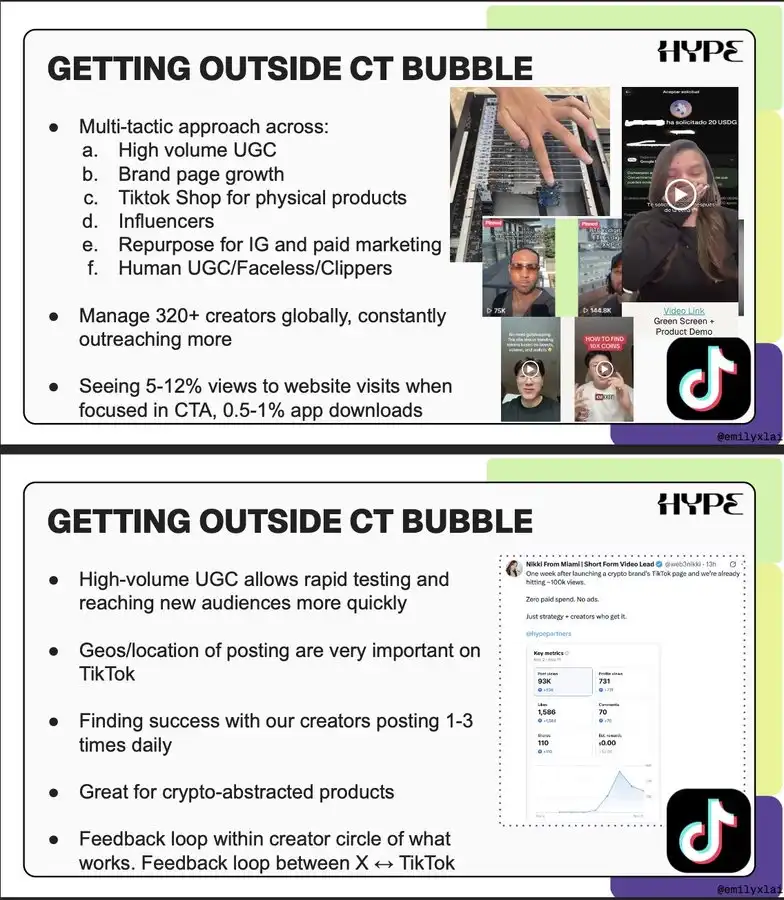
In January of this year, we noticed a significant increase in brands' demand for channels such as Instagram, YouTube, and TikTok. As a result, we brought in @web3nikki and established a short video department focusing on brand growth and user acquisition, with a key emphasis on TikTok. All team members are native TikTok users, familiar with the algorithm, adept at creating viral content, and capable of adjusting content strategy to incorporate a crypto perspective.
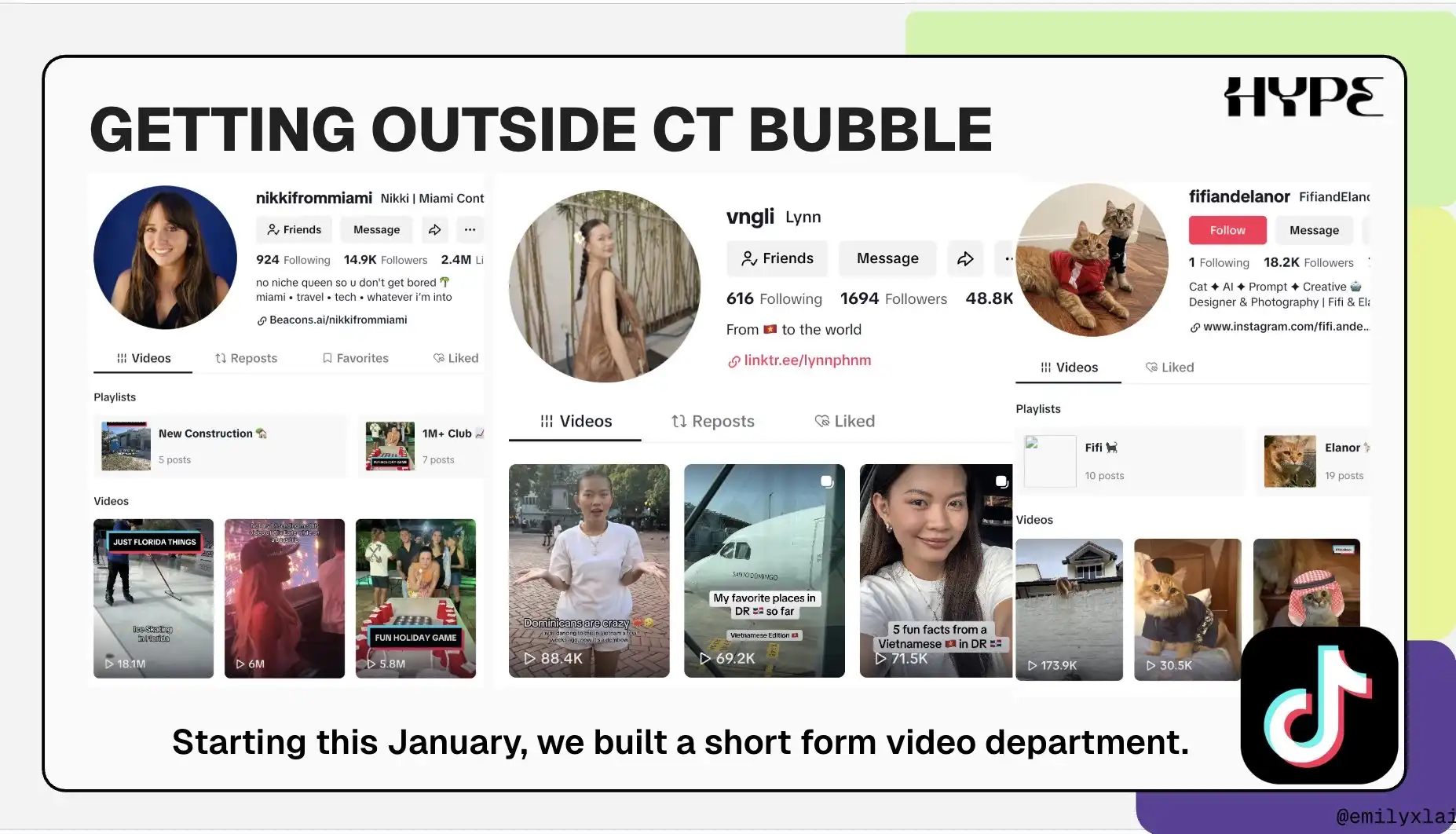
Since the department's inception, we have collaborated with 12 clients, accumulating a wealth of experience and insights.
Events Becoming More Immersive and Exclusive
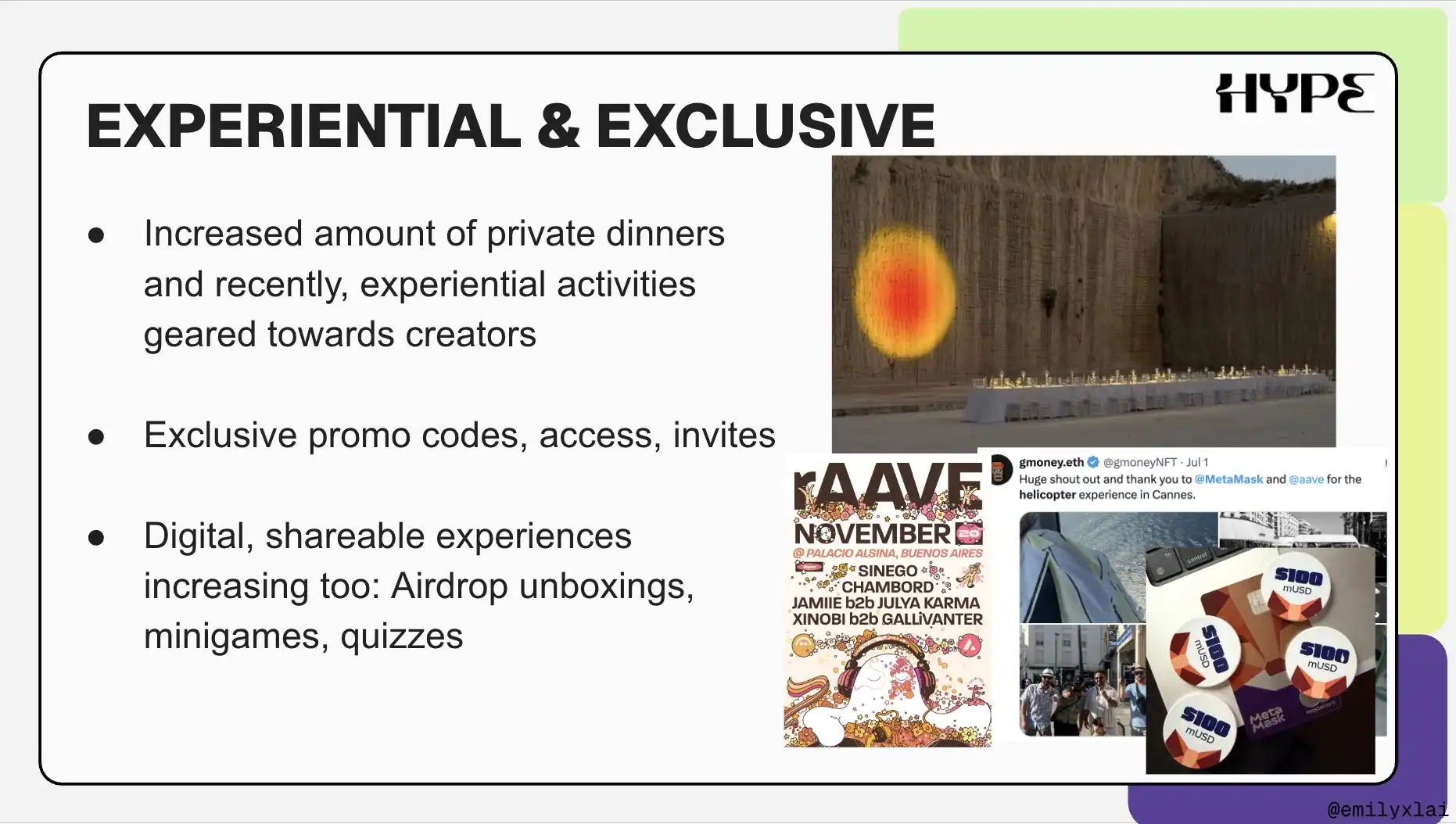
With satellite events around crypto conferences becoming increasingly saturated (often exceeding 500 events in a single week), organizers are facing intense competition to attract participants. This trend has also extended to event swag: higher quality, intricately designed, and exclusively gifted items. This year, we have seen a significant rise in private dinners.
@metamask set a new standard at the July EthCC Cannes event: exclusively for invited guests, featuring boat, helicopter, and plane rides alongside KOLs and content creators.
@raave continues to lead the way in setting the standard for crypto music events, inviting world-class DJs and creating top-notch stage designs. Ticket acquisition methods are tiered, exclusive, and gradually released through a series of marketing activities.
This kind of experiential event is not limited to physical settings but also extends to the digital world: airdrop unboxing, mini-games, Buzzfeed-style personality tests, and other shareable interactive experiences are on the rise. We are seeing more and more inspiration from Web2 brand activations, flash mob concepts, and influencer events being introduced into the crypto space.
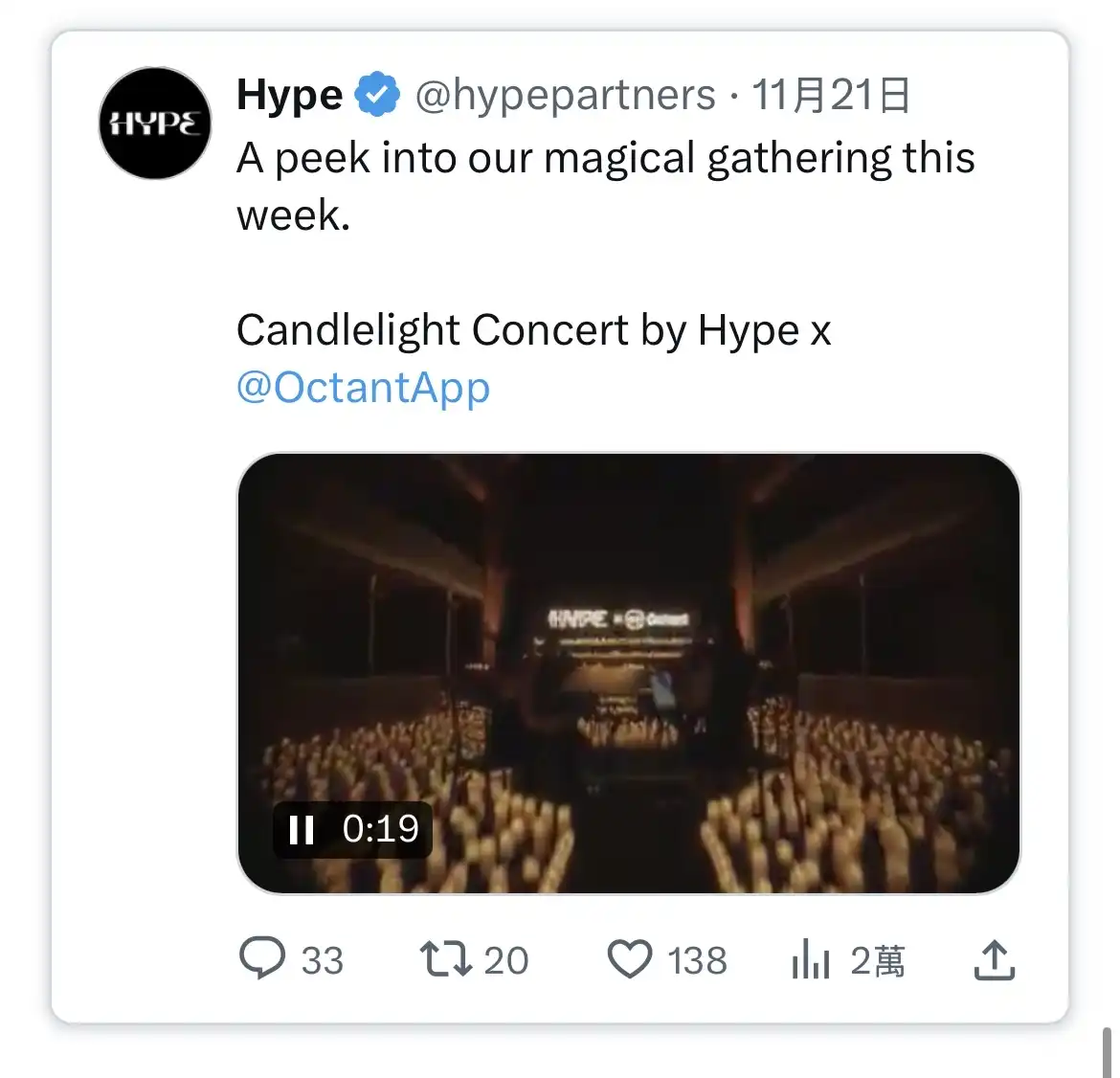
Just last week, we hosted a candlelight concert with @octantapp, and you can see snippets of the live experience here. The event was by invitation only as the venue could not accommodate all 20,000 people. If you wish to attend the next experience, please reach out to @cryptokwueen or me.
Reshaping and Redesigning Incentive Mechanisms
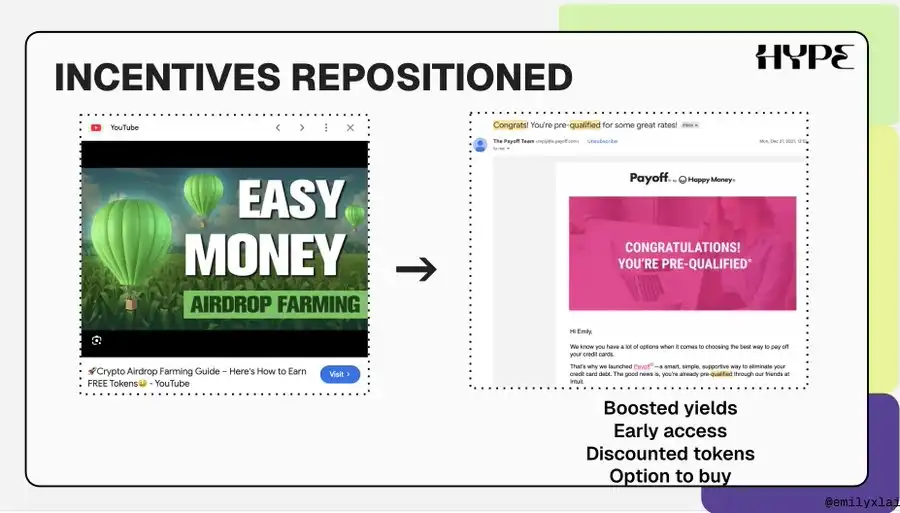
This year, we have seen incentive activities transition from airdrops back to ICOs. Some incentive activities have been repositioned as privileges:
“Being able to buy this token itself is a privilege” (similar to the 2021 NFT whitelist)
“Buy now and receive the privilege of a discounted purchase”
“Stake now and earn higher returns and/or points from multiple protocols”
“To receive the most airdrops, discounts, or points, you must become a top-tier member” (similar to airline and hotel membership tier systems)
All of this reminds me of banks and Web2 fintech companies, packaging product usage and access as a privilege. My Chase emails often say, “Congratulations! You are pre-qualified for a mortgage refinance.”
In the future, we will continue to see incentive programs evolve, moving closer to loyalty and identity tier logic.
Application of AI in Marketing and Operations
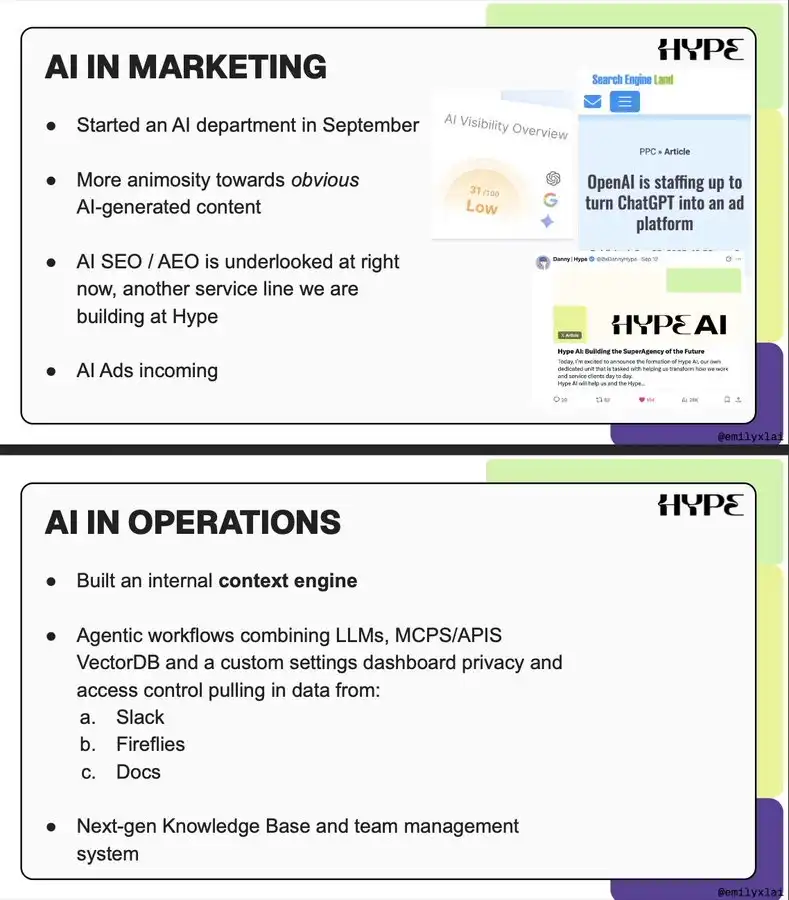
These are the AI trends I have seen in the marketing field and our experience in building an internal operations “context engine” at Hype.
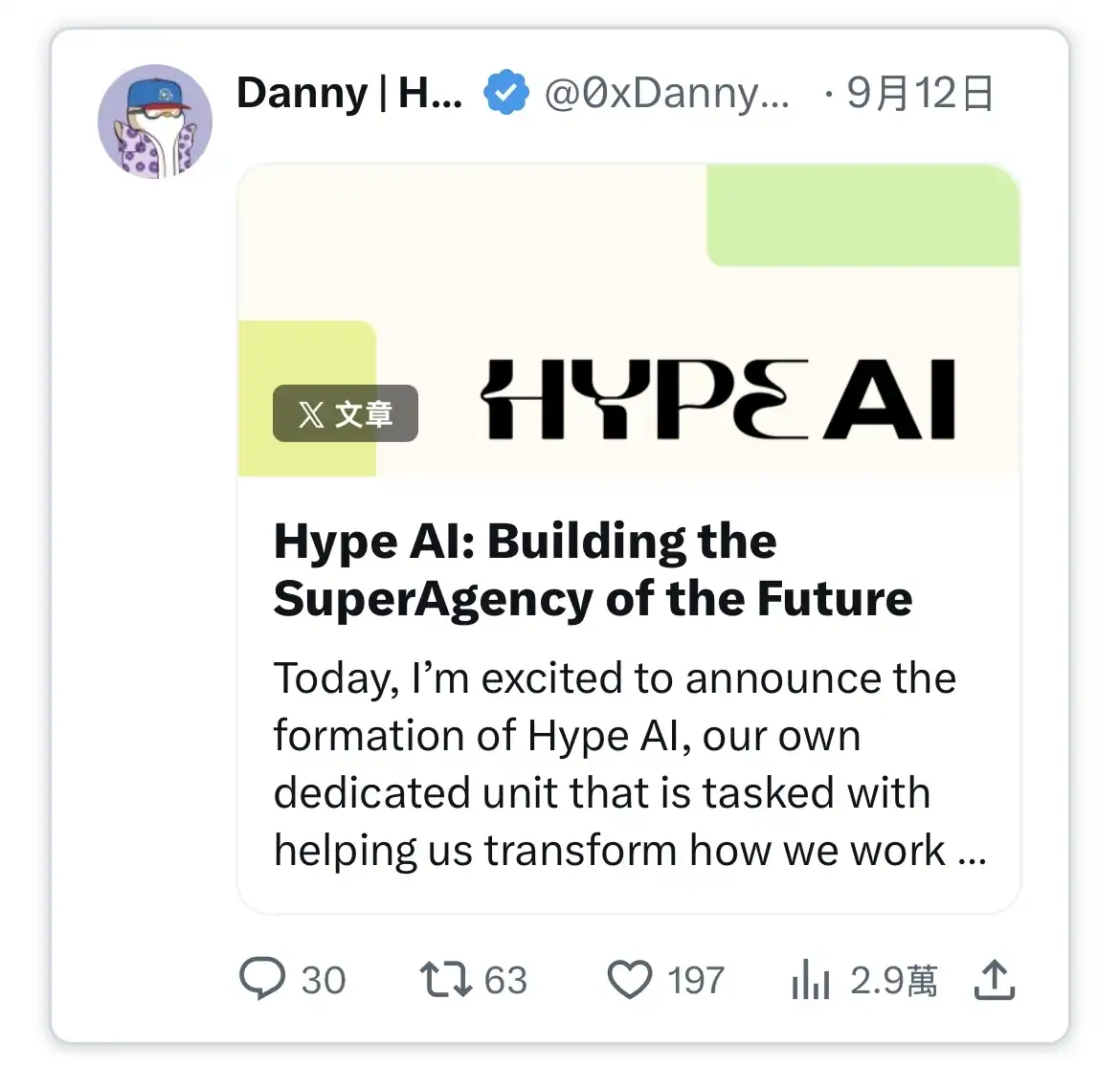
This September, we established the Hype AI department, led by @antefex_moon (our VP of AI). For more details, see the introduction by CEO @0xDannyHype.
We have extensively tested AI across various aspects to enhance work quality, research, operations, data measurement, and project management. This requires ongoing testing and iteration.
We have also introduced a new service line: AI SEO / LLM SEO, ensuring your company appears in AI prompts based on being in the correct position in the training data. Web2 tools like Ahrefs and SEMrush have started providing AI visibility measurements. Meanwhile, OpenAI has officially announced exploration into ad platforms, bringing new advertising scenarios and marketing strategies.
Other Predictions
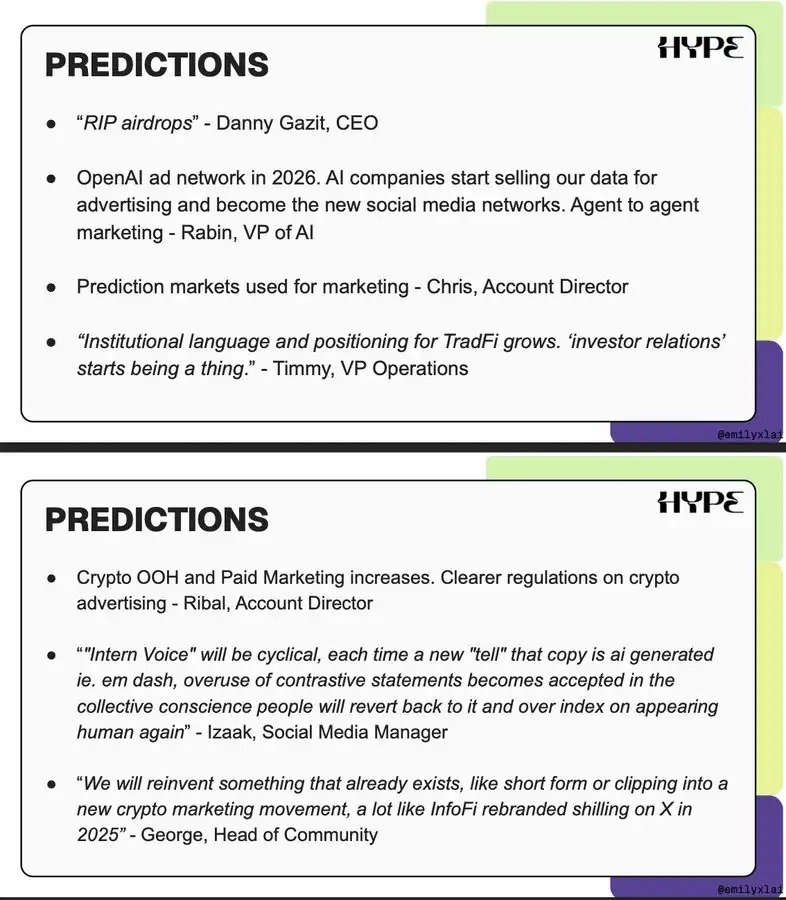
The above trends and observations have directly influenced some of the business and marketing decisions we have made at Hype. Before sharing my "Stay Ahead" framework, I collected predictions from the Hype team regarding crypto marketing. You can read viewpoints from @0xdannyhype, @ChrisRuzArc, @groverGPT, @izaakonx, @Timmbo_Slice, and others:
How to Stay Ahead
The lifecycle of trends is constantly shortening due to:
Diminishing moats (for example, leveraging AI, the internet, and tools has made content creation easier than ever)
The limited size of the crypto industry audience
The continuous emergence of new companies vying for attention every day
Marketing requires continuous innovation, testing, and experimentation. Teams that adopt new strategies early can take advantage of the "novelty" to capture brand awareness until that strategy becomes saturated in the market. You can also retest old strategies and aesthetics to evoke a sense of "freshness" again. It's a constantly looping game.
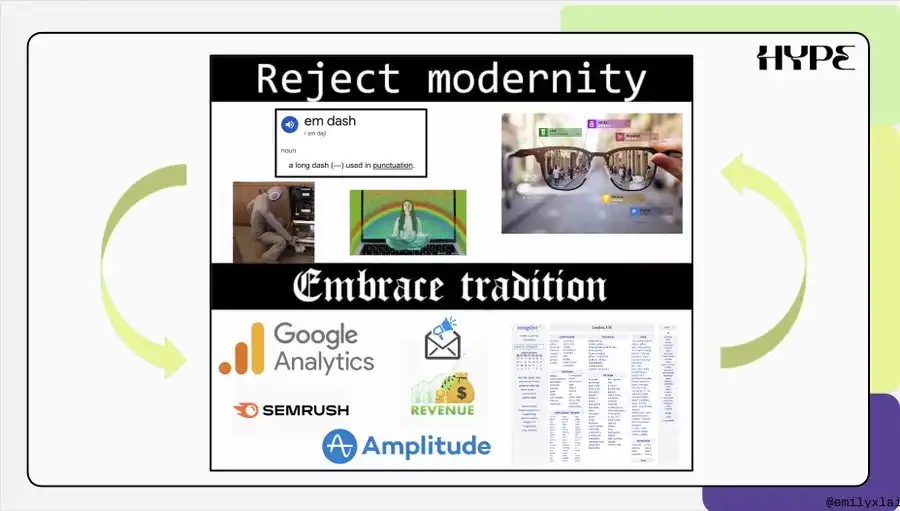
When others turn left, you turn right; when everyone is turning left and right, you sit under the tree, enter a higher dimension, and explore untouched areas. Then repeat this process.
To stay ahead, you must: keep up with industry trends; draw inspiration from outside the crypto industry; think from first principles (this requires brainstorming, deep thinking, and evaluation, not just copying others).
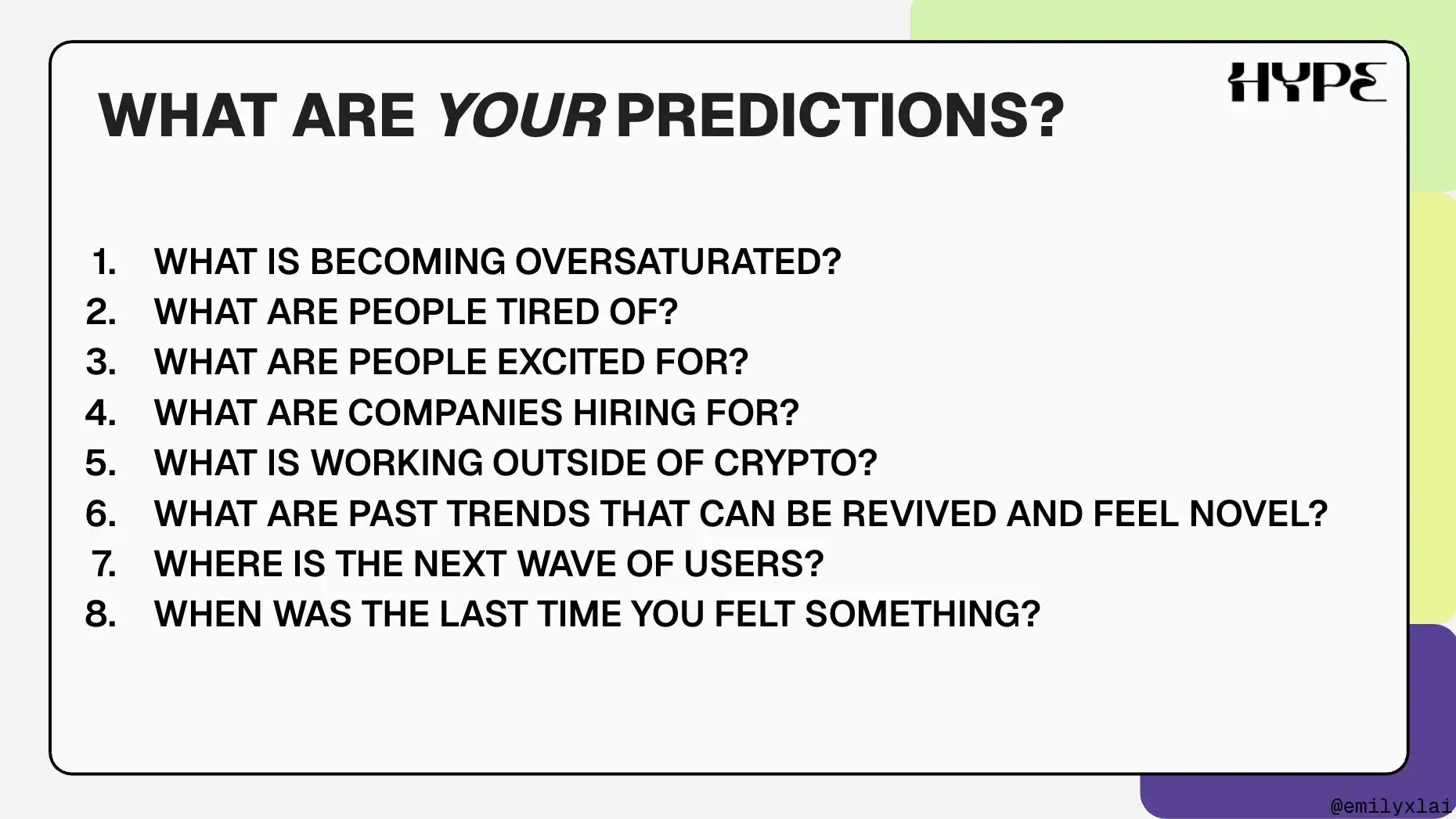
Some questions that can help you define predictions and marketing bets include: Which trends will become obsolete in the next 6-12 months? Which strategies are effective in Web2 or other industries but have not yet been applied in the crypto space? What user behaviors or technological changes will reshape marketing?
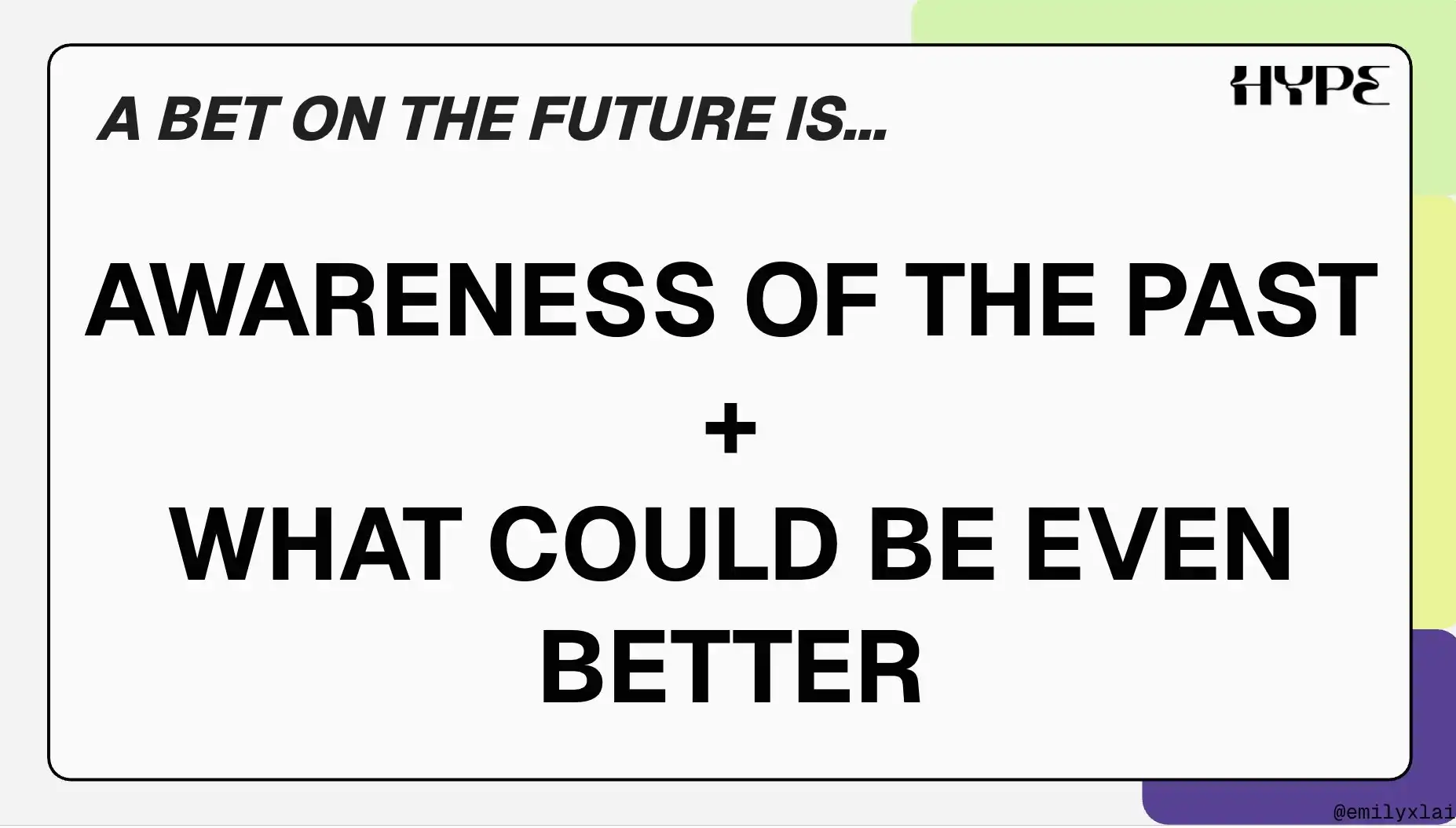
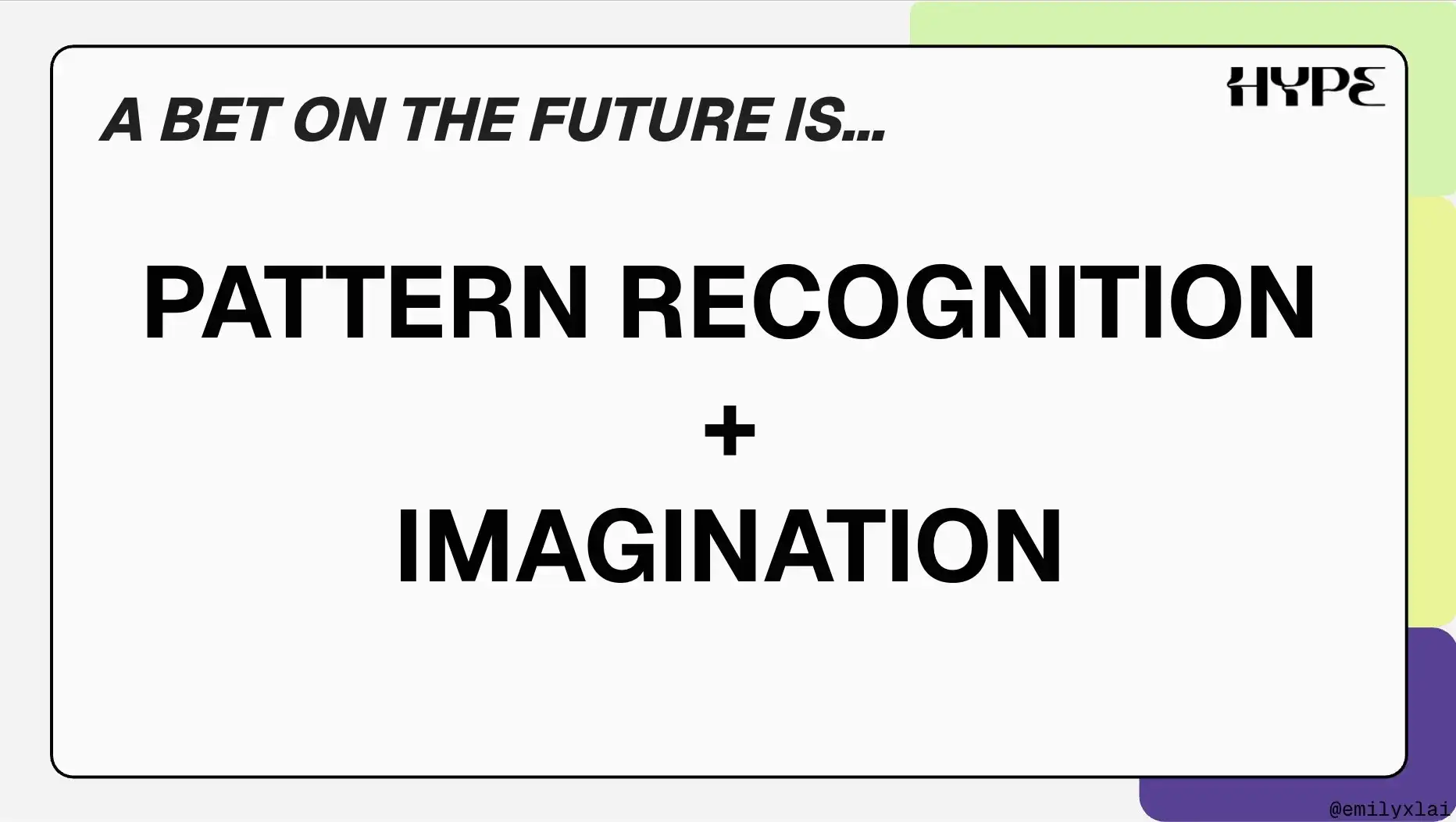
Ultimately, you are betting on the future. And betting on the future relies on seeing patterns clearly and then imagining better possibilities.
Original Post Link
You may also like
Holiday Season Markets: Understanding Low Liquidity and Trading Conditions
At WEEX, we recognize that the holiday season often brings a different trading experience for many users. As market participation slows, price behavior can feel less predictable and familiar trading rhythms may shift. For traders following AI news today or using AI trading tools, this period often highlights how market structure can influence model performance and short-term signals. Approaching these periods with clear expectations and a disciplined mindset can help traders better navigate seasonal market conditions.

December 26th Market Key Intelligence, How Much Did You Miss?

Crypto Christmas Heist: Over $6 Million Lost, Trust Wallet Chrome Extension Wallet Hacked Analysis

Trust Wallet Browser Extension Security Incident Leads to Losses
Key Takeaways Trust Wallet identified a significant security breach in its browser extension version 2.68. Approximately over $6…

Trust Wallet Hack Results in $3.5 Million Loss for Major Wallet Holder
Key Takeaways A significant Trust Wallet hack led to the theft of $3.5 million from an inactive wallet.…

BDXN Wallets Deposit $400,000 in Tokens to Multiple Exchanges
Key Takeaways BDXN project wallets have transferred approximately $400,000 worth of tokens to various exchanges. The transfers involve…

Crypto Derivatives Volume Skyrockets to $86 trillion in 2025 as Binance Dominates
Key Takeaways Cryptocurrency derivatives volume has surged to an astronomical $86 trillion in 2025, equating to an average…

Social Engineering in the Crypto Universe: Safeguarding Your Assets in 2025
Key Takeaways Social engineering, a psychological manipulation tactic, has been the leading cause of crypto asset theft in…

Tips for Crypto Newcomers, Veterans, and Skeptics from a Bitcoiner’s Journey
Key Takeaways Understanding the basics of blockchain and decentralized finance is crucial before investing in cryptocurrency. Newcomers should…

Trust Wallet to Reimburse $7 Million Lost in Christmas Hack: An Inside Job?
Key Takeaways Trust Wallet’s browser extension was compromised, leading to a $7 million loss on Christmas Day. The…
Blockchains Quietly Brace for Quantum Threat Amid Bitcoin Debate
Key Takeaways Cryptocurrency networks, especially altcoins, are enhancing security to prepare for potential quantum computing threats. Bitcoin faces…

Trump’s World Liberty Financial Token Ends 2025 with a Significant Decline
Key Takeaways The World Liberty Financial token launched by the Trump family faced a turbulent year, ending 2025…
Pudgy Penguins Bring NFT Characters to Las Vegas Sphere During Christmas
Key Takeaways Pudgy Penguins, an NFT project, showcased their characters on the Las Vegas Sphere’s LED panels during…

Vitalik Buterin Discusses Grok’s Impact on X’s Truthfulness
Key Takeaways Grok, an AI chatbot, is praised by Vitalik Buterin for enhancing the truthfulness of the social…

Crypto Biz: Exchanges Bet Big on Prediction Markets
Prediction markets are gaining traction in the crypto sector, with exchanges like Crypto.com and Coinbase making bold moves.…

Canton Token Surges Amid DTCC’s Tokenized Treasury Plans
Key Takeaways Canton Coin has surged by approximately 27% due to growing institutional interest and DTCC’s announcement to…
Samourai Wallet Co-Founder Begins Prison Term Amidst Crypto Privacy Debate
Key Takeaways Keonne Rodriguez, the co-founder of Samourai Wallet, shares the emotional experience of his first day in…

Trust Wallet to Compensate $7M Loss from Christmas Day Hack
Key Takeaways Trust Wallet users suffered a loss of $7 million on Christmas Day due to a planned…
Holiday Season Markets: Understanding Low Liquidity and Trading Conditions
At WEEX, we recognize that the holiday season often brings a different trading experience for many users. As market participation slows, price behavior can feel less predictable and familiar trading rhythms may shift. For traders following AI news today or using AI trading tools, this period often highlights how market structure can influence model performance and short-term signals. Approaching these periods with clear expectations and a disciplined mindset can help traders better navigate seasonal market conditions.
December 26th Market Key Intelligence, How Much Did You Miss?
Crypto Christmas Heist: Over $6 Million Lost, Trust Wallet Chrome Extension Wallet Hacked Analysis
Trust Wallet Browser Extension Security Incident Leads to Losses
Key Takeaways Trust Wallet identified a significant security breach in its browser extension version 2.68. Approximately over $6…
Trust Wallet Hack Results in $3.5 Million Loss for Major Wallet Holder
Key Takeaways A significant Trust Wallet hack led to the theft of $3.5 million from an inactive wallet.…
BDXN Wallets Deposit $400,000 in Tokens to Multiple Exchanges
Key Takeaways BDXN project wallets have transferred approximately $400,000 worth of tokens to various exchanges. The transfers involve…
Popular coins
Latest Crypto News


Customer Support:@weikecs
Business Cooperation:@weikecs
Quant Trading & MM:bd@weex.com
VIP Services:support@weex.com
 App
App