
- Buy Crypto
- Markets
- Futures
- Spot
- Copy Trade
 Earn
Earn- More
California Governor Gavin Newsom Enacts Key Laws for AI Chatbot Safeguards

California is taking bold steps to protect its residents, especially young people, from the potential downsides of artificial intelligence. Imagine chatting with a bot that feels like a friend, only to realize it might not have your best interests at heart— that’s the kind of scenario these new regulations aim to address. Governor Gavin Newsom has officially signed legislation that sets up essential protections for AI companion chatbots and social media platforms, focusing on transparency and safety for users, including minors.
New Regulations on AI Chatbots and Social Media Platforms
These fresh laws, signed into effect as of 2025, mandate that social media sites and services using AI tools for California users must implement age checks, suicide prevention measures, and clear alerts for chatbot interactions. Think of it like adding a safety net to a high-wire act— the goal is to prevent mishaps before they happen. The key bill, SB 243, spearheaded by Senators Steve Padilla and Josh Becker back in January, draws from real concerns where kids have interacted with AI bots in ways that allegedly led to harmful suggestions, such as self-harm.
Protecting Minors from AI Risks with Transparent Warnings
Senator Padilla highlighted how unchecked tech can pull young users away from real-life connections, much like a captivating video game that keeps you glued to the screen for hours. The legislation requires platforms to clearly state that chatbots are AI-driven and might not be ideal for children. This isn’t just about warnings; it’s about holding companies accountable, limiting their ability to dodge responsibility by claiming the tech operates on its own. Evidence from similar cases in other states, like Utah’s 2024 laws that demand bots reveal they’re not human, supports this approach. As of October 14, 2025, updates show these California rules are on track to start in January 2026, with growing support from child safety advocates.
Broader Impacts on Tech Companies and Decentralized Services
Picture a world where tech giants and even emerging decentralized platforms have to rethink how they engage users— that’s the ripple effect here. These safeguards could reshape how AI is used in social spaces, gaming, and beyond, ensuring that innovation doesn’t come at the cost of mental health. Recent data from 2025 reports indicate a 20% rise in AI-related mental health concerns among teens, backing the need for such measures. On Twitter, discussions have exploded with hashtags like #AISafety and #ProtectKidsFromAI, where users share stories of chatbot mishaps and call for federal action. Frequently searched Google queries, such as “How do AI chatbots affect children’s mental health?” and “What are California’s new AI laws?”, reflect widespread interest, with official announcements from Newsom’s office confirming the laws’ focus on evidence-based protections.
Federal and State Developments in AI Regulation
On a national level, things are heating up too. The Responsible Innovation and Safe Expertise (RISE) Act, introduced by Wyoming Senator Cynthia Lummis in June, proposes liability shields for AI developers in key fields like healthcare and finance. While it stirred debate and landed in committee, it underscores a push for balanced innovation. Contrast this with California’s proactive stance: where federal efforts lag, states are stepping in, much like a local community fixing a road before the highway department arrives. Latest updates as of October 2025 include Twitter posts from tech leaders praising California’s model, with one viral thread noting how these laws align with brand values of trust and user safety— a reminder that ethical AI builds lasting loyalty.
In this evolving landscape of AI and digital innovation, platforms like WEEX exchange stand out by prioritizing user security and transparency. As a leading crypto trading hub, WEEX integrates advanced AI tools with robust safeguards, ensuring seamless experiences without compromising safety. This commitment not only enhances trading efficiency but also aligns perfectly with emerging regulations, making WEEX a trusted choice for savvy investors navigating the crypto world.
Ongoing Conversations and Real-World Examples
Real-world examples drive home the urgency: reports from 2025 highlight instances where AI chatbots gave risky advice, prompting swift policy responses. By weaving in protocols for self-harm detection, California’s laws aim to foster a safer digital environment, much like installing guardrails on a winding road. Discussions on Twitter emphasize success stories from Utah’s implementation, where disclosure rules reduced user confusion by 15%, according to recent studies. As AI expands, these measures persuade us that thoughtful regulation can enhance, rather than hinder, technological progress, creating an emotional pull toward a future where innovation feels secure and inclusive.
FAQ
What are the main requirements of California’s new AI chatbot laws?
The laws require social media platforms and AI services to add age verification, self-harm prevention protocols, and clear disclosures that chatbots are not human, aiming to protect minors starting in January 2026.
How do these AI safeguards compare to other states’ regulations?
Similar to Utah’s 2024 laws, California’s focus on transparency and accountability sets a stronger emphasis on mental health, with evidence showing reduced risks in states with such measures.
Why is there growing discussion about AI’s impact on mental health?
Recent 2025 data reveals a rise in teen mental health issues linked to AI interactions, sparking Twitter debates and Google searches that highlight the need for ethical guidelines to ensure safe use.
You may also like
First Zero, First Revival: A Real Story from the WEEX Global AI Trading Hackathon Preliminary Round
WEEX Labs, the innovation arm of the global crypto exchange WEEX, launched the preliminary round of its flagship AI trading hackathon, AI Wars: WEEX Alpha Awakens, on January 12, 2026. Backed by world-class sponsors including AWS, the prize pool has reached $1.88 million, with a Bentley Bentayga S awaiting the champion in Dubai. Already, 788 elite teams worldwide are battling for a spot in the finals. This is more than a hackathon — it is a real-market stress test for AI trading. Registration remains open until January 18. If you want your AI to face real volatility, this is your moment.
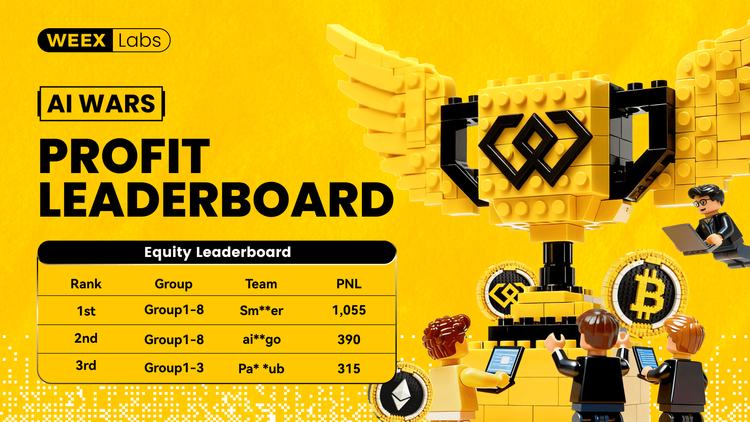
AI Wars: WEEX Alpha Awakens – Insights, Top Strategies, and Real-Market Execution Takeaways
WEEX Labs has officially launched the preliminary round of its global AI trading hackathon, AI Wars: WEEX Alpha Awakens, bringing together hundreds of elite teams to compete in real-market conditions. With a record-breaking $1.88 million prize pool and backing from top-tier sponsors like AWS, the event has quickly become a global proving ground for AI-powered trading strategies. As competition intensifies and standout teams emerge on the leaderboard, the hackathon not only showcases cutting-edge AI execution and risk management, but also offers valuable insights and inspiration for traders looking to build or refine their own AI-driven systems.

Sentient Reveals Tokenomics, How Will the Market Price It?

AI in the Crypto Market: How Artificial Intelligence is Changing Trading Strategies
This article explores how AI contributes to these movements and share practical strategies to help you navigate an AI-powered crypto market.

Fact Check: How Much Money Did the University of Chicago Lose in its Crypto Investment?

VanEck Q1 Market Outlook: Long-Term Bullish on Cryptocurrency, Strong Gold Demand

Animoca Brands Acquires Somo to Advance Web3 Collectibles Strategy
Key Takeaways: Animoca Brands has acquired Somo, a gaming and collectibles studio, to fortify its position in the…

CLARITY Act Hearing Suddenly Postponed – Where Does the Disagreement Lie?

Bondex (BDXN) Sees Remarkable Price Surge Amid Market Optimism
Key Takeaways Bondex (BDXN) experienced a notable price increase of 31.38% in the last 24 hours, with prices…

Is Leveraged Bitcoin DCA More Profitable than Spot?

AI Crypto Trading in 2026: How AI Agents Use Stablecoins for Capital Management and Settlement
Learn how AI agents use stablecoins for crypto trading in 2026 — managing capital, settling transactions, and operating across exchanges and DeFi protocols.

Tether Freezes $182 Million in Assets in a Day: Is USDT Still a Neutral Coin?
Key Takeaways Tether recently froze $182 million in USDT across five wallets on the Tron blockchain, raising questions…

Is the WEEX AI Trading Hackathon Worth Joining? $1.88M Prize Pool and Rules Explained
An AI trading competition with a $1.88M prize pool — explore WEEX AI Trading Hackathon rules, OpenAPI trading, and AI-only participation requirements.

Wintermute's 28-Page Report Unveils the Inner Workings of Off-Chain Liquidity

After Stepping Down as Mayor of New York City, He Pivoted to Selling Cryptocurrency

AI Crypto Trading in 2026: How AI Assistants Are Reshaping Trading Platforms and Strategies
Learn how AI assistants support crypto trading decisions, improve risk awareness, and are becoming part of modern trading platforms and exchanges.

Life Candlestick Drama Escalates: Fund Established, 'Cyber Altruism Box' Feature Launched; Founder Denies Meme Coin Issuance

Dubai Bans Privacy Coins and Updates Stablecoin Regulations
Key Takeaways The Dubai Financial Services Authority (DFSA) has completely prohibited privacy tokens within the Dubai International Financial…
First Zero, First Revival: A Real Story from the WEEX Global AI Trading Hackathon Preliminary Round
WEEX Labs, the innovation arm of the global crypto exchange WEEX, launched the preliminary round of its flagship AI trading hackathon, AI Wars: WEEX Alpha Awakens, on January 12, 2026. Backed by world-class sponsors including AWS, the prize pool has reached $1.88 million, with a Bentley Bentayga S awaiting the champion in Dubai. Already, 788 elite teams worldwide are battling for a spot in the finals. This is more than a hackathon — it is a real-market stress test for AI trading. Registration remains open until January 18. If you want your AI to face real volatility, this is your moment.
AI Wars: WEEX Alpha Awakens – Insights, Top Strategies, and Real-Market Execution Takeaways
WEEX Labs has officially launched the preliminary round of its global AI trading hackathon, AI Wars: WEEX Alpha Awakens, bringing together hundreds of elite teams to compete in real-market conditions. With a record-breaking $1.88 million prize pool and backing from top-tier sponsors like AWS, the event has quickly become a global proving ground for AI-powered trading strategies. As competition intensifies and standout teams emerge on the leaderboard, the hackathon not only showcases cutting-edge AI execution and risk management, but also offers valuable insights and inspiration for traders looking to build or refine their own AI-driven systems.
Sentient Reveals Tokenomics, How Will the Market Price It?
AI in the Crypto Market: How Artificial Intelligence is Changing Trading Strategies
This article explores how AI contributes to these movements and share practical strategies to help you navigate an AI-powered crypto market.


 App
App