
- Kripto Al
- Piyasalar
- Vadeli İşlemler
- Spot
- Copy Trade
 WE-Launch
Cyber Capital Founder: Ripple is Fully Centralized, Please Remain Vigilant

Original Author: Justin Bons, Founder of Cyber Capital
Original Translator: Luffy, Foresight News
Ripple (XRP) is a centralized and permissioned network, contrary to statements made by its executives. XRP misleads investors by falsely claiming its decentralized nature when, in fact, the network is fully controlled by the foundation.
The XRP consensus is based on a Unique Node List (UNL), where trusted nodes are determined by a centralized entity (including the foundation). The XRP consensus is not based on PoS or PoW but on PoA (Proof of Authority), yet they claim to be more decentralized than Bitcoin and Ethereum...
All of this is supported by Ripple's own documentation, and it's hard to find any researchers outside of XRP who would classify this design as "decentralized"; however, they are deceiving the public.
However, users can modify their UNL and choose whom to trust. The language used here is very subtle. A truly decentralized cryptocurrency is "trustless" because it requires no "trust" at all, and choosing whom to trust is entirely different from being trustless!
XRP is not trustless at all, and what's worse is: if your UNL does not overlap sufficiently with the rest of the network, you are at risk. According to Ripple's documentation: a 90% UNL overlap is required to prevent forks.
This means that in practice, you need direct permission from the XRP foundation to participate in the consensus, which is almost centralization in terms of blockchain design... Let's take a deeper look at these UNLs below.
We have established that the UNL is the trusted third party chosen by the XRP foundation, and as we delve deeper into these UNLs, this point is further confirmed: for a long time, there was only one UNL, the dUNL managed by the XRP foundation.
However, this list is not static but dynamic. The XRP foundation can, in a completely centralized manner, change the list of validators without any notice, kicking out anyone who violates authority.
Over time, now there are two UNLs, namely the dUNL and XRPLF, both directly funded by the XRP foundation. This adds another layer of de facto control over the network; let me explain:
Blockchain allows mutually untrusting parties to coordinate, all thanks to the underlying incentive mechanism (PoS or PoW). However, XRP lacks block rewards and incentives; it is purely based on trust. So, how do different Unique Node Lists (UNLs) coordinate with each other?
XRP's premise is based on the idea that different parties can spontaneously organize around a new UNL without the need for the aforementioned incentive mechanism. This notion is clearly fallacious because this is precisely the problem blockchain aims to solve: a new UNL cannot achieve coordination.
If a new UNL cannot coordinate, it means the foundation holds de facto control. Control over validators equals control over the network, resembling a permissioned blockchain.
In all other blockchains, you cannot choose validators as they are trustless and permissionless. This is why validators can be anonymous—secured by cryptoeconomic game theory, not trust. This is the fundamental difference of XRP.
XRP is fundamentally not a cryptocurrency. Since it is neither PoS nor PoW, it is a PoA. What else could it be? A consensus algorithm requires a validation mechanism, with trust as the system’s foundation, thus: XRP is a PoA!
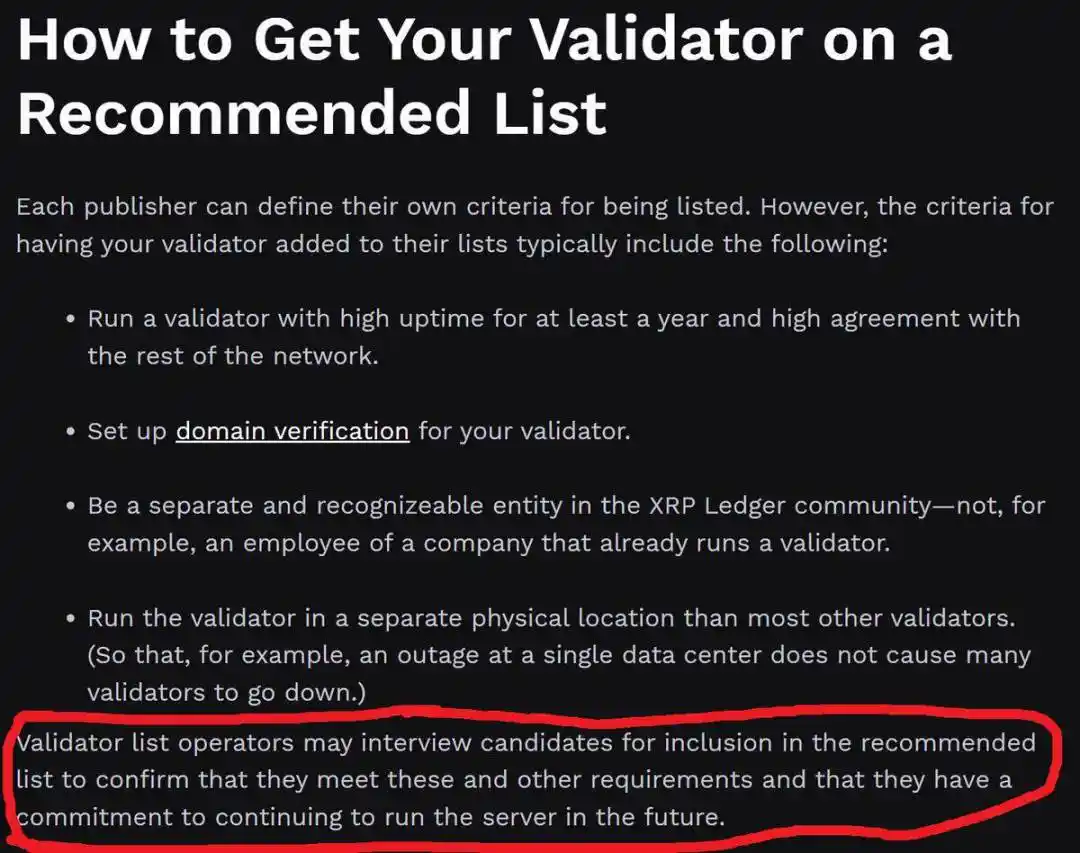
A PoA system always has a central authority to appoint validators. So, what about the fact that there are currently two "official" UNLs? This fact contradicts my assertion that different UNLs cannot coordinate. This is where things truly start to get crazy:
Upon careful inspection, I discovered that all UNLs are, in fact, identical, using the same set of validators, further proving that the foundation effectively controls the XRP network!
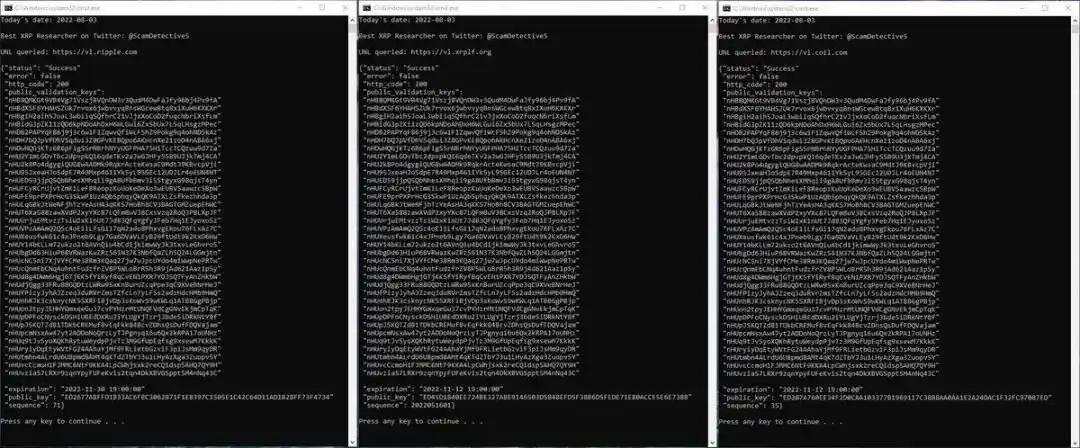
This screenshot is from 2 years ago, but I confirm the situation remains the same today, demonstrating that new UNLs cannot coordinate. Thus, the foundation's list becomes the de facto list since all UNLs must comply, or there is a risk of fork.
This also allows the foundation to conduct audits if compelled, given their high level of control. This operates drastically differently from cryptocurrencies and explains why halting the network only requires 20% of validators...
Running trusted validators also has no incentives. Unlike PoW or PoS, where the cost of attack reflects the block reward to miners/stakers, the decentralized standard heavily relies on block rewards. On XRP, this decentralization measure stands at zero.
I have been researching XRP since the early days, and I vividly remember when people recognized the trade-off of decentralization. As the community and leadership's stance became more extreme, this situation gradually changed. I say this not to disparage investors but to empower them.
Help break the XRP echo chamber and stop being someone else's liquidity out. XRP's pre-mining rate of 99.8% makes it one of the most unfairly distributed cryptocurrencies in history. As no new XRP was created, all newly circulating XRP was purchased from the founders.
I have always been intrigued by the early discussions about Ripple's decentralization, pretending that XRP is permissionless is not the right answer. The real solution is to use PoS to replace the UNL list, transforming XRP into a more traditionally decentralized blockchain.
They could also openly admit that facts are facts, and I will not dispute that. However, using lies to attract ignorant retail investors is wrong. This is where we as an industry need to draw the line and self-regulate!
XRP may currently be able to bribe or deceive the SEC, but they cannot deceive us, the cryptocurrency natives. Regardless of how complex and in-depth the rebuttals may be, it will not change some simple facts: XRP is now fully permissioned and centralized.
If you truly care about XRP, take it seriously. Because within this critical post exists a path that can help XRP succeed: owning up to its centralization or transitioning to decentralization. The truth sets us free, either walk away from XRP or exert pressure for change; nothing is irredeemable.
Ayrıca bunları da beğenebilirsiniz

Yapay Zeka Kripto Para Yatırımcılarının Piyasaları Analiz Etmesine, Riski Yönetmesine ve Daha Akıllıca İşlem Yapmasına Nasıl Yardımcı Oluyor?
Kripto para ticareti artık sadece iyi bir fikre sahip olmakla ilgili değil; hiç durmayan bir piyasada tutarlı bir şekilde işlem yapmakla ilgili. Veri hacimleri ve piyasa hızı arttıkça, geleneksel manuel analiz yöntemleri sınırlarına ulaşmaktadır. Yapay zeka, piyasaların analiz edilme biçimini, piyasa duyarlılığının yorumlanma şeklini ve riskin kontrol edilme şeklini dönüştürerek, yatırımcıların bu sınırların ötesine geçmelerine yardımcı olur. Bu makale, yapay zekanın kripto para ticaretini nasıl yeniden şekillendirdiğini ve bunun günümüzdeki yatırımcılar için ne anlama geldiğini inceliyor.
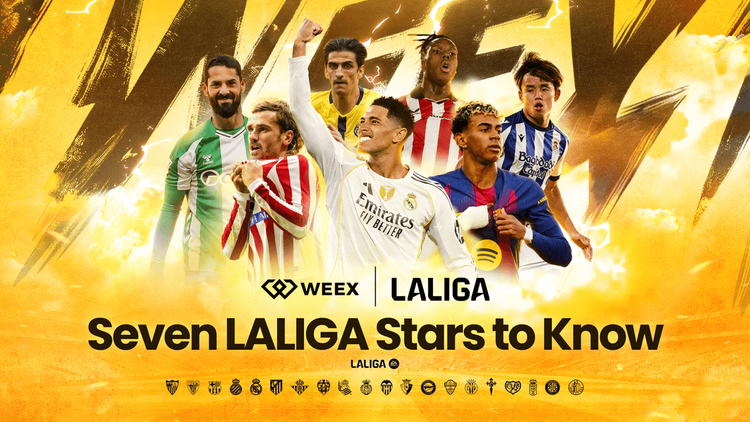
WEEX × LALIGA: Mükemmellik konusunda ortak bir standardı temsil eden yedi yıldız
Futbolda gerçek mükemmellik asla tesadüf değildir. Bu, disiplin, istikrar ve baskı altında performans sergileme yeteneği üzerine kuruludur - sezonlar boyunca. Aynı prensipler profesyonel ticarette de geçerlidir; burada kısa vadeli ivmeden ziyade uzun vadeli performans daha önemlidir. LALIGA'nın resmi bölgesel ortağı olarak WEEX, ligin rekabetçi ruhunu ve küresel çekiciliğini temsil eden yedi seçkin oyuncuyu öne çıkarıyor. Her biri sahaya benzersiz bir tarz getiriyor, ancak hepsi WEEX'in istikrar, hassasiyet ve profesyonel uygulama konusundaki bağlılığıyla yakından örtüşen değerleri paylaşıyor. Bu ortaklık, tutarlılık ve kontrolün baskı altında performansı belirlediği ortak standartlar üzerine kurulmuştur.

Manus, Wuhan'dan Silikon Vadisi'ne sadece dokuz ayda ulaştı.
Buna “sarmalayıcı” diyebilirsiniz, ama Meta'ya kadar yolunu açarak geldi.
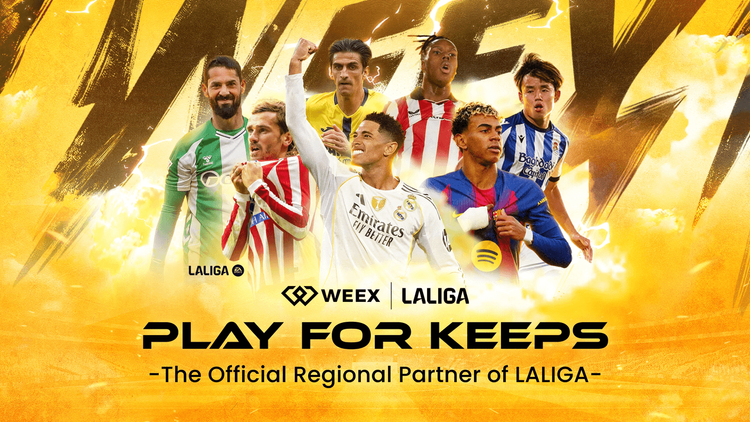
WEEX, Küresel Erişimini Genişletmek ve Kripto Parayı Ana Akım Spor Kültürüne Entegre Etmek İçin LALIGA ile Ortaklık Kurdu
Hong Kong, 1 Ocak 2026. WEEX, Tayvan ve Hong Kong'da LALIGA'nın resmi bölgesel ortağı olarak LALIGA ile yeni bir ortaklığa imza attı. Bu anlaşma, WEEX'i LALIGA'nın bölgesel iş ortakları ağına dahil ediyor ve sezon boyunca hem taraftarlarla hem de tüccarlarla etkileşim kurmanın yeni yollarının önünü açıyor.
Kripto Para Birimlerinde Yapay Zeka ile İşlem Yapma: Kripto Para Piyasalarında Yatırımcılar Yapay Zekayı Gerçekte Nasıl Uyguluyorlar?
Yapay zekâ, kripto para piyasalarında deneme aşamasını geride bıraktı. 2025 yılında, yapay zeka destekli işlem araçları, değişken piyasalarda daha iyi disiplin, daha hızlı işlem gerçekleştirme ve daha yapılandırılmış karar alma isteyen yatırımcılar tarafından giderek daha fazla kullanılacaktır. Bu kılavuz, yapay zekanın kripto para ticaretinde adım adım nasıl kullanıldığını ve bu stratejilerin gerçek ticaret ortamlarında nasıl uygulandığını açıklamaktadır.

Pazar Güncellemesi — 31 Aralık
Güney Kore ve OECD'nin kripto para düzenlemeleri ve uyumluluk çerçevelerinin uygulanmasını hızlandırmasından, TAO ETF'lerinin, gizlilik teknolojilerinin, madenciliğin ve Bitcoin rezervlerinin eş zamanlı gelişimine, güvenlik olaylarının ve finansal kayıpların artmaya devam etmesine kadar, kripto para piyasası "güçlü düzenleme + teknolojik evrim + artan riskler" gibi çoklu zorlukların ortasında yeni bir aşamaya girdi.
Herkes Yapay Zeka Destekli Ticaret Kullandığında, Kripto Para Alfa'sı 2026'da Nereye Gidecek?
2025 yılında yapay zeka destekli işlemler varsayılan yöntem haline geldi, ancak Alfa ortadan kaybolmadı; benzer veriler, modeller ve stratejiler, yatırımcıların senkronize hareket etmesine ve avantajlarını kaybetmesine neden olarak Alfa'yı aşındırdı. Gerçek Alfa, davranışsal ve zincir içi veriler, işlem kalitesi, risk yönetimi ve aşırı piyasalarda insan yargısı gibi kopyalanması daha zor katmanlara kaydı; burada farklı hareket etmek veya hiç hareket etmemek, daha iyi tahminlerden daha önemlidir.

2026 Bitcoin Piyasasında Erken Bir “Crypto Winter” Başlangıcı ve Kurumsallaşmanın Artan Rolü
Cantor Fitzgerald, Bitcoin’in 2026’da “Crypto Winter” girebileceğini öngörüyor. Kurumsal yatırımcıların piyasadaki hakimiyeti, DeFi ve tokenleştirilmiş varlıkların performans farkını…

Anahtar Piyasa Bilgileri Uyumsuzluğu 30 Aralık’ta – Görülmesi Gerekenler! | Alpha Sabah Raporu
Önemli Noktalar Meta, Manus’ı milyarlarca dolara satın aldı ve teknoloji dünyasında büyük bir sarsıntıya yol açtı. TRON, erken…

Caixin: 2026’da Dijital RMB Cüzdan Bakiyeleri Faiz Kazanabiliyor
Dijital RMB cüzdan bakiyeleri 2026 itibarıyla faiz getirisi kazanacak. Bankalar, dijital RMB cüzdanlarını bankacılık bakiyelerine taşıyarak kısmi rezerv…

500 Reddi Aldıktan Sonra Gerçekten Kullanılan Bir Ürün Geliştirdim
Ana Noktalar Kripto endüstrisinde yalnızca altyapı inşa etmenin başarı getirmeyeceği ve önemli olanın kullanıcı odaklı ürünler geliştirmek olduğuna…

Lighter Kurucusundan Token Lansmanı İlerleme Hakkında Son Yanıt, Ne Dendi?
Key Takeaways Lighter, yıl sonuna kadar TGE‘yi tamamlamayı planlıyor ve geri sayımın son 3 gününde gerçekleşecek. Bot hesapları…

Lighter: Airdrop Tam Dağıtıldı ve Token Ticaret Yakında Açılacak
Önemli Notlar Lighter, airdrop süreçlerini tamamladı ve token ticaretini yakında başlatmayı planlıyor. LIT token’ları, kullanıcıların varlık sayfasında doğrudan…

Fed Döneminde Değişimin Eşiğinde: Powell Olmadan Faiz Oranları Savaşına Hazırlık
Politik ve ekonomik değişim rüzgarlarının estiği bir dönemde, ABD Merkez Bankası’nın (Fed) başına Trump tarafından atanacak yeni başkanın…

UNI Burn Kâr Fırsatı, Ondo Hissedarı Tokenize Stok Likiditesi Tartışması: Bugün Kripto Topluluğu Ne Konuşuyor?
Key Takeaways: Kripto topluluğu 2026 yılına dair piyasa tahminlerini tartışıyor, özellikle DeFi, stablecoinler ve AI konularına odaklanılıyor. Kanada’da…

6 Haftalık 3 Denetçi Değişikliğinde Trump Kripto Firması Alt5 Sigma Finansal Krizde
Önemli Noktalar Alt5 Sigma, Trump ailesiyle ilişkilendirilen kripto para şirketi, sık sık denetçi değiştirmesi ve yöneticilerin istifaları ile…

Yield Farming at 86% APY? Polymarket Üzerinde Botlar Kullanarak “Uyku Sırasında Kazanç Sağlama” Yöntemleri
Key Takeaways Polymarket üzerindeki ölçeklenmemiş fırsatlar, botlar için geniş bir verimlilik alanı sunuyor. Bot, manuel olarak uygulanan stratejilerin…

Federal Reserve Toplantı Tutanakları ve Kripto Dünyasının Nabzı
Key Takeaways Federal Reserve, yarın para politikası toplantı tutanaklarını açıklayacak. Farklı platformlarda LIT fonlama oranları arasında önemli farklar…
Yapay Zeka Kripto Para Yatırımcılarının Piyasaları Analiz Etmesine, Riski Yönetmesine ve Daha Akıllıca İşlem Yapmasına Nasıl Yardımcı Oluyor?
Kripto para ticareti artık sadece iyi bir fikre sahip olmakla ilgili değil; hiç durmayan bir piyasada tutarlı bir şekilde işlem yapmakla ilgili. Veri hacimleri ve piyasa hızı arttıkça, geleneksel manuel analiz yöntemleri sınırlarına ulaşmaktadır. Yapay zeka, piyasaların analiz edilme biçimini, piyasa duyarlılığının yorumlanma şeklini ve riskin kontrol edilme şeklini dönüştürerek, yatırımcıların bu sınırların ötesine geçmelerine yardımcı olur. Bu makale, yapay zekanın kripto para ticaretini nasıl yeniden şekillendirdiğini ve bunun günümüzdeki yatırımcılar için ne anlama geldiğini inceliyor.
WEEX × LALIGA: Mükemmellik konusunda ortak bir standardı temsil eden yedi yıldız
Futbolda gerçek mükemmellik asla tesadüf değildir. Bu, disiplin, istikrar ve baskı altında performans sergileme yeteneği üzerine kuruludur - sezonlar boyunca. Aynı prensipler profesyonel ticarette de geçerlidir; burada kısa vadeli ivmeden ziyade uzun vadeli performans daha önemlidir. LALIGA'nın resmi bölgesel ortağı olarak WEEX, ligin rekabetçi ruhunu ve küresel çekiciliğini temsil eden yedi seçkin oyuncuyu öne çıkarıyor. Her biri sahaya benzersiz bir tarz getiriyor, ancak hepsi WEEX'in istikrar, hassasiyet ve profesyonel uygulama konusundaki bağlılığıyla yakından örtüşen değerleri paylaşıyor. Bu ortaklık, tutarlılık ve kontrolün baskı altında performansı belirlediği ortak standartlar üzerine kurulmuştur.
Manus, Wuhan'dan Silikon Vadisi'ne sadece dokuz ayda ulaştı.
Buna “sarmalayıcı” diyebilirsiniz, ama Meta'ya kadar yolunu açarak geldi.
WEEX, Küresel Erişimini Genişletmek ve Kripto Parayı Ana Akım Spor Kültürüne Entegre Etmek İçin LALIGA ile Ortaklık Kurdu
Hong Kong, 1 Ocak 2026. WEEX, Tayvan ve Hong Kong'da LALIGA'nın resmi bölgesel ortağı olarak LALIGA ile yeni bir ortaklığa imza attı. Bu anlaşma, WEEX'i LALIGA'nın bölgesel iş ortakları ağına dahil ediyor ve sezon boyunca hem taraftarlarla hem de tüccarlarla etkileşim kurmanın yeni yollarının önünü açıyor.
Kripto Para Birimlerinde Yapay Zeka ile İşlem Yapma: Kripto Para Piyasalarında Yatırımcılar Yapay Zekayı Gerçekte Nasıl Uyguluyorlar?
Yapay zekâ, kripto para piyasalarında deneme aşamasını geride bıraktı. 2025 yılında, yapay zeka destekli işlem araçları, değişken piyasalarda daha iyi disiplin, daha hızlı işlem gerçekleştirme ve daha yapılandırılmış karar alma isteyen yatırımcılar tarafından giderek daha fazla kullanılacaktır. Bu kılavuz, yapay zekanın kripto para ticaretinde adım adım nasıl kullanıldığını ve bu stratejilerin gerçek ticaret ortamlarında nasıl uygulandığını açıklamaktadır.
Pazar Güncellemesi — 31 Aralık
Güney Kore ve OECD'nin kripto para düzenlemeleri ve uyumluluk çerçevelerinin uygulanmasını hızlandırmasından, TAO ETF'lerinin, gizlilik teknolojilerinin, madenciliğin ve Bitcoin rezervlerinin eş zamanlı gelişimine, güvenlik olaylarının ve finansal kayıpların artmaya devam etmesine kadar, kripto para piyasası "güçlü düzenleme + teknolojik evrim + artan riskler" gibi çoklu zorlukların ortasında yeni bir aşamaya girdi.


 App
App